
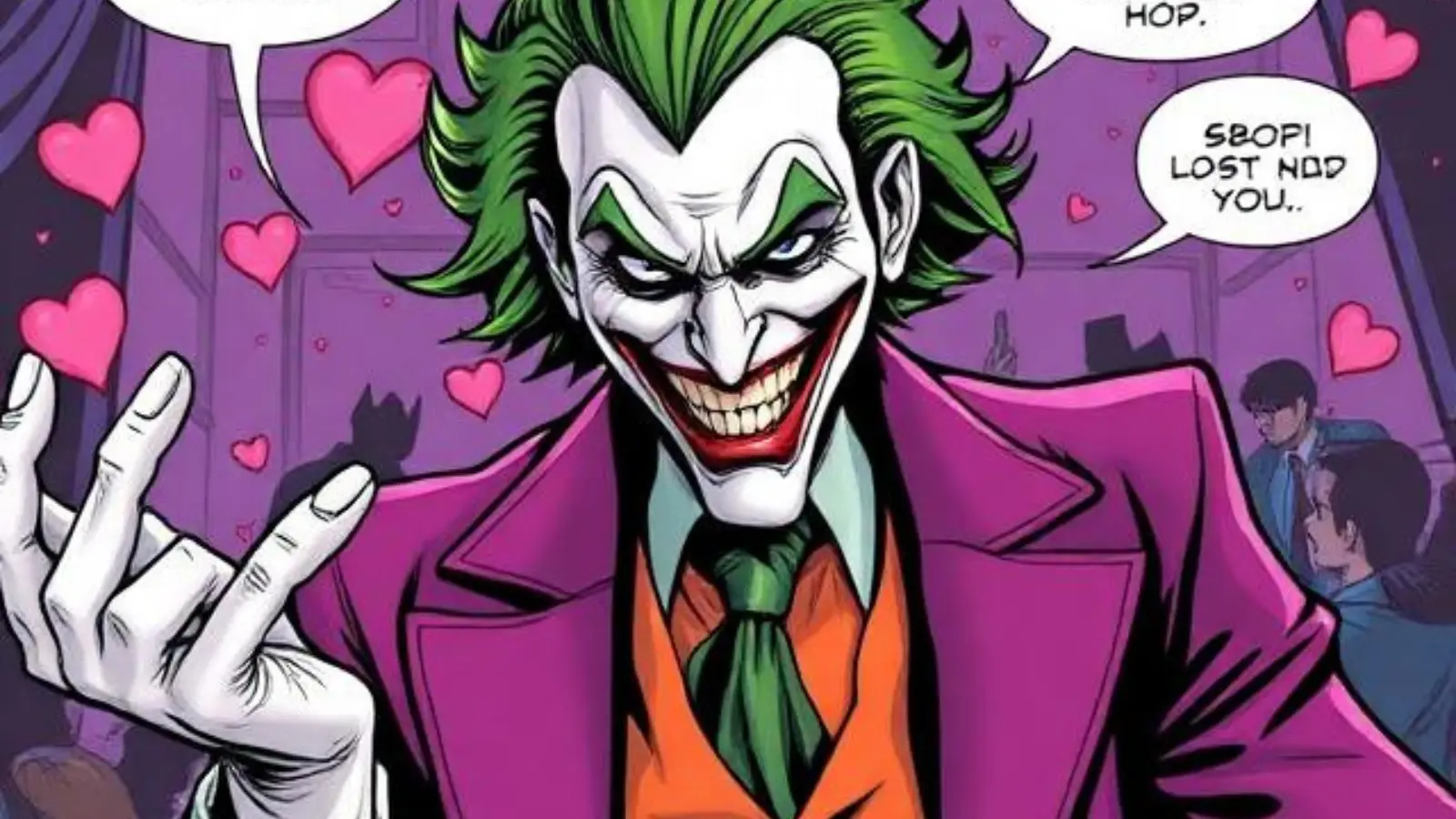
The Joker has never been just a villain. He is a philosophy wrapped in chaos, a grin carved into the darkest corners of Gotham City, and a mirror reflecting society’s hidden fears.
When readers dive into comics about the Joker, they don’t just follow a story they enter a psychological maze where humor and horror collide, and nothing ever feels safe or predictable.
From his earliest appearances as a prankster criminal to his modern portrayal as an anarchic force of nature, the Joker has evolved into one of the most complex characters in comic book history.
Every panel featuring him feels like a ticking time bomb beautiful, unsettling, and unforgettable.
1. Comics About the Joker: Origins Hidden Behind the Laughing Mask
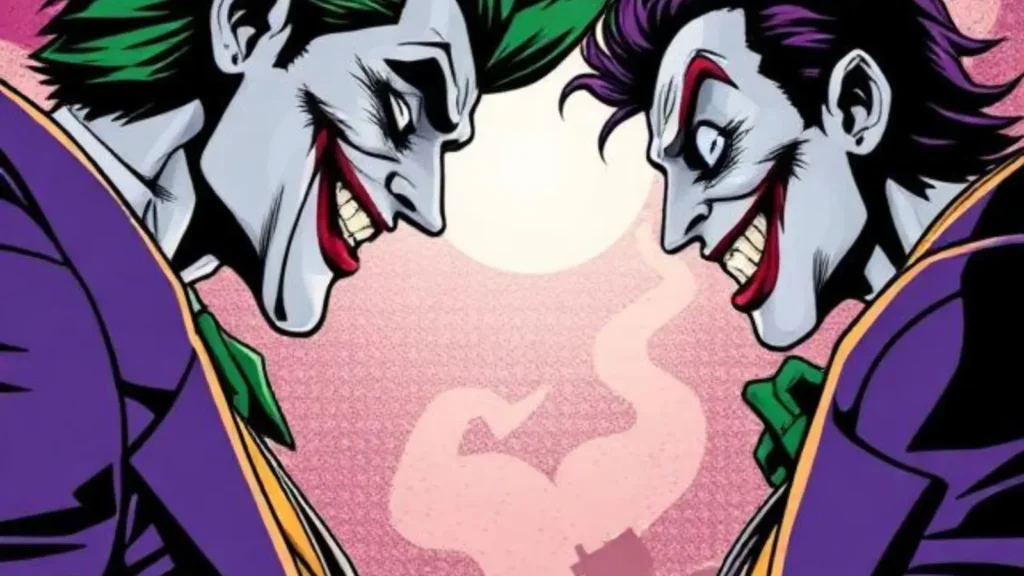
- 🃏 The Joker first appeared as a mysterious criminal with a deadly grin
- 🧪 Early comics about the Joker show him using poison tricks and gadgets
- 🎭 His origin story remains intentionally unclear and ever-changing
- 🧠 Writers designed him to embody chaos rather than logic
- 💀 Some versions hint at a failed comedian transformation
- 🕵️ Detective Batman stories shaped his early mythos
- 🎬 His character reflects noir-style psychological tension
- 🔪 First comics showed him as a traditional gangster villain
- 📚 Over time, his unpredictability became his defining trait
- 🧩 Multiple origin retellings keep fans debating endlessly
- 🧬 No single truth defines his creation story
- 🎨 Artists use his face as a canvas of madness
- ⚖️ He exists as Batman’s moral opposite
- 🕳️ Mystery itself is the Joker’s real identity
2. Comics About the Joker: The Psychology of Controlled Madness
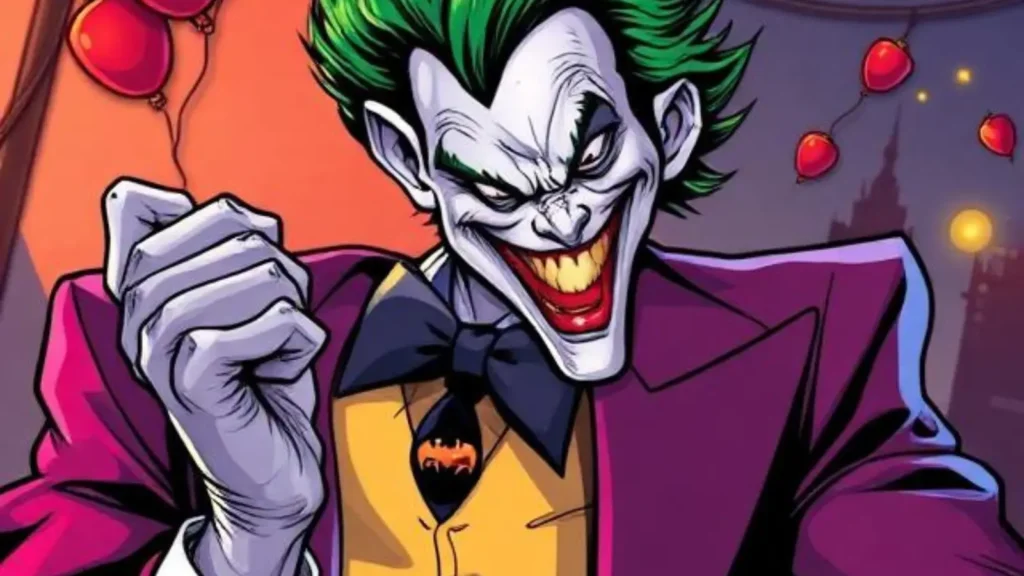
- 🧠 Joker’s mind operates without moral boundaries or fear
- 😈 Comics about the Joker often explore anti-social behavior patterns
- 🔍 His intelligence rivals Batman’s strategic thinking
- 🎭 He views life as an endless performance
- 🧩 Psychological chaos defines his decision-making
- 🪞 He forces others to confront their hidden darkness
- 💣 His humor often masks violent intent
- 🧬 Writers portray him as unpredictable but calculated
- 🧠 He thrives on emotional manipulation
- ⚖️ He rejects all societal rules
- 🔓 Chaos is his only consistent philosophy
- 🕳️ His sanity is intentionally left ambiguous
- 🎯 He studies human fear as a weapon
- 🃏 Madness becomes his personal identity system
3. Comics About the Joker: Gotham’s Eternal Nightmare Energy
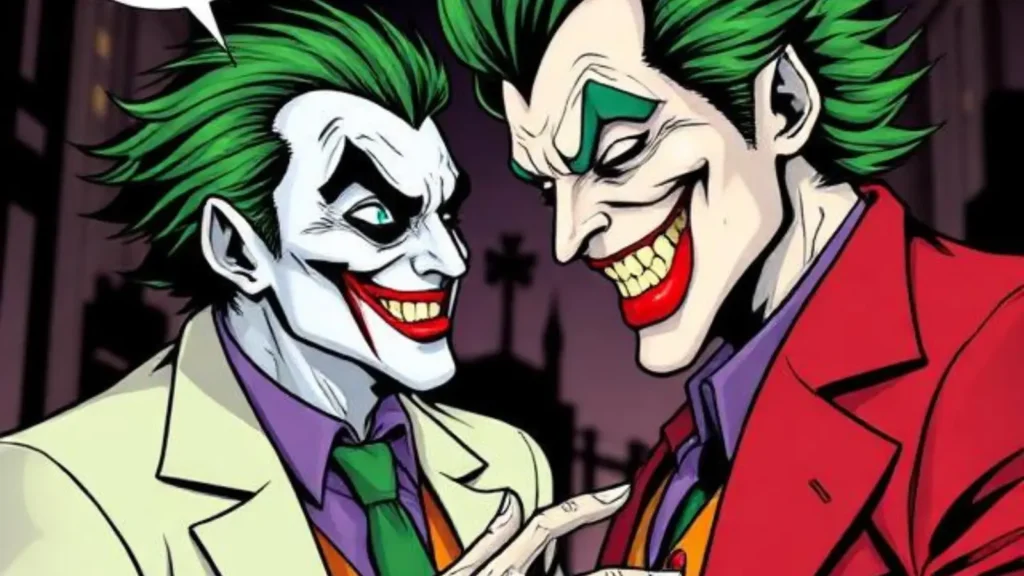
- 🌆 Gotham becomes darker whenever Joker appears
- 🔦 Comics about the Joker often transform the city itself
- 💀 Streets feel alive with psychological tension
- 🏙️ He exposes corruption within Gotham’s institutions
- 🔪 Crime escalates unpredictably under his influence
- 🕯️ Fear spreads faster than law enforcement response
- 🎭 Civilians become part of his twisted theater
- 💣 Buildings often become symbolic destruction zones
- 🧠 He studies Gotham like a living organism
- 🚨 Police forces struggle with his randomness
- 🕳️ He turns order into emotional collapse
- 🧩 Every attack carries symbolic meaning
- 🔥 Chaos spreads like wildfire in story arcs
- 🌑 Gotham is his stage, not just his city
4. Comics About the Joker: Iconic Rivalry With Batman
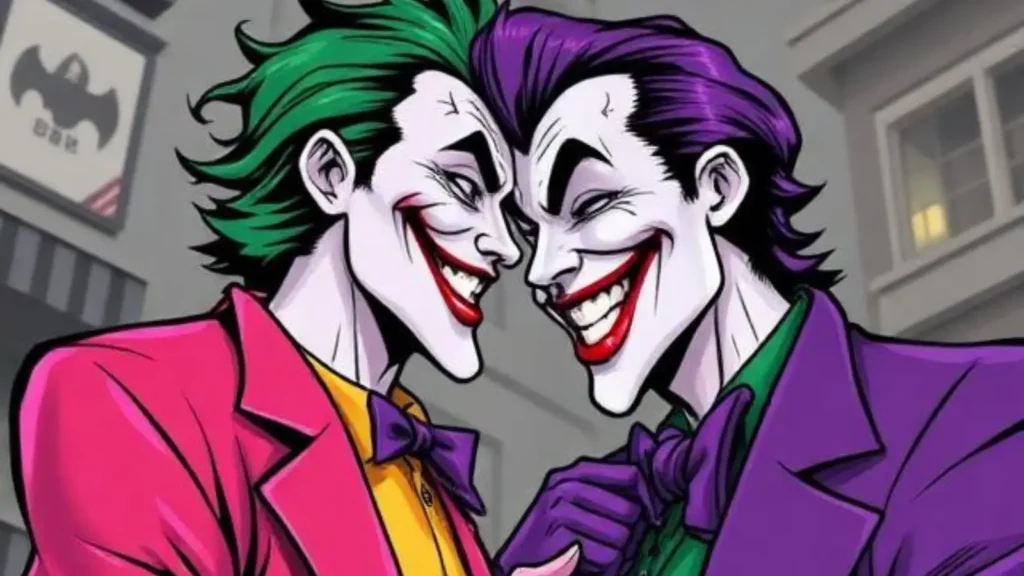
- 🦇 Batman represents order, Joker represents chaos
- ⚔️ Comics about the Joker often center on their psychological war
- 🧠 Their minds mirror each other in complexity
- 🎭 Joker challenges Batman’s moral limits
- 💥 Their battles go beyond physical fights
- 🕵️ Each encounter escalates emotional stakes
- 🔍 Joker tries to prove everyone can break
- 🧩 Batman resists becoming like him
- 💣 Their rivalry defines Gotham’s narrative structure
- 🧠 Joker studies Batman’s emotional weaknesses
- 🦇 Batman seeks to understand Joker’s logic
- 🔒 Neither fully defeats the other
- 🎯 Their conflict is endless storytelling fuel
- 🕳️ The rivalry symbolizes order vs chaos eternally
5. Comics About the Joker: Evolution Through Comic Eras
- 📚 Golden Age Joker was playful yet deadly
- 🧨 Silver Age added colorful absurdity
- 💀 Modern comics about the Joker became darker
- 🎭 Each era reshaped his personality traits
- 🧠 Writers added psychological realism over time
- 🔪 Violence became more symbolic and disturbing
- 🧩 Storylines explored deeper trauma theories
- 🕵️ Detective comics emphasized crime mystery tone
- 🎨 Artistic styles evolved his visual identity
- 💣 Modern Joker is more anarchic than comedic
- 🧬 Continuity reboots changed his origin repeatedly
- 🕳️ He adapts to cultural fears of each era
- 📖 Comic timelines often contradict each other
- 🔄 Reinvention keeps him eternally relevant
6. Comics About the Joker: The Dark Humor Philosophy
- 😈 Joker uses humor as psychological warfare
- 🎭 Comics about the Joker blend jokes with horror
- 😂 His laughter often signals danger
- 💀 Dark comedy masks violent intentions
- 🧠 He mocks societal rules through chaos
- 🎯 Humor becomes manipulation strategy
- 🔪 Punchlines often lead to destruction
- 🧩 He deconstructs seriousness with irony
- 🕳️ Nothing is sacred in his worldview
- 🎬 His humor feels theatrical and staged
- 💣 Comedy becomes emotional disorientation
- 🧠 Victims often misinterpret his jokes
- 🎭 He weaponizes unpredictability
- 😶 Laughter is his signature language
7. Comics About the Joker: Most Shocking Story Arcs Ever Written
- 💥 “The Killing Joke” reshaped his myth forever
- 🧠 Comics about the Joker often include trauma themes
- 🔪 He paralyzes Barbara Gordon in a landmark story
- 🎭 Psychological breakdowns define major arcs
- 🕵️ His actions often target Batman emotionally
- 💣 Entire cities face destruction scenarios
- 🧩 Writers explore moral boundaries through him
- 🧠 Some arcs question reality itself
- 🎬 Film adaptations borrow comic storylines heavily
- 🕳️ His brutality escalates across modern comics
- 🔍 Identity twists keep readers guessing
- 💀 Death and resurrection cycles appear frequently
- 🎯 Each arc pushes darker storytelling limits
- 📚 He remains central to DC’s darkest narratives
8. Comics About the Joker: Symbolism of Chaos and Order
- ⚖️ Joker symbolizes breakdown of societal order
- 🧠 Comics about the Joker explore philosophical chaos
- 🕳️ He rejects structure and meaning
- 🎭 Order becomes meaningless in his presence
- 💣 He represents unpredictable human nature
- 🧩 His actions question morality itself
- 🔪 Law becomes irrelevant in his stories
- 🧠 He reflects hidden societal instability
- 🎯 Chaos is his personal ideology
- 🕵️ He challenges institutional authority systems
- 💀 He exposes fragile human psychology
- 🧬 His symbolism evolves across eras
- 🎬 He embodies anarchic storytelling energy
- 🌑 He is chaos made conscious
9. Comics About the Joker: Fan Interpretations and Theories
- 🧠 Fans debate his real identity endlessly
- 🎭 Comics about the Joker inspire deep analysis
- 🧩 Some believe multiple Jokers exist
- 🔍 Others see him as symbolic idea
- 💀 Fan theories link him to Batman’s psyche
- 🕵️ His ambiguity fuels internet discussions
- 🎬 Each adaptation adds new interpretations
- 🧠 Psychological theories dominate fandom debates
- 🔪 Some see him as immortal force
- 🕳️ Others interpret him as metaphor
- 📚 Comics rarely confirm fan theories
- 🎯 Mystery keeps engagement extremely high
- 🧬 His identity remains intentionally unresolved
- 💣 Speculation is part of his legacy
10. Comics About the Joker: Art Styles That Redefined Horror
- 🎨 Joker’s visuals evolve with artistic trends
- 🧠 Comics about the Joker often use distorted imagery
- 💀 Dark shading enhances psychological horror
- 🎭 Facial expressions emphasize madness
- 🖌️ Artists experiment with unsettling color palettes
- 🕳️ Minimalism increases emotional impact
- 🔪 Hyper-realism intensifies fear factor
- 🧩 Panel layouts reflect chaotic storytelling
- 🎬 Cinematic framing enhances tension
- 🧠 Visual symbolism replaces dialogue often
- 💣 Blood and laughter often coexist visually
- 🎨 Iconic smile remains central motif
- 🧬 Art style defines reader emotional response
- 🕵️ Every era brings new visual identity
11. Comics About the Joker: Relationship With Supporting Characters
- 🧠 Joker manipulates allies and enemies alike
- 🎭 Comics about the Joker explore toxic relationships
- 💀 Harley Quinn is his most famous connection
- 🔪 He often betrays his own followers
- 🧩 Relationships are unstable and dangerous
- 🕵️ Gotham villains sometimes fear him
- 💣 He creates temporary alliances for chaos
- 🎯 Emotional abuse appears frequently in arcs
- 🧠 He rarely forms genuine bonds
- 🎬 Supporting characters reflect his influence
- 🕳️ Trust is nonexistent in his world
- 🔍 He uses people as tools
- 💀 Loyalty is irrelevant to him
- 🎭 Relationships always end in destruction
12. Comics About the Joker: Impact on Pop Culture Worldwide
- 🌍 Joker became global cultural icon
- 🎭 Comics about the Joker influence movies and games
- 🧠 His character appears in psychology studies
- 🎬 Films reinterpret his comic origins
- 💀 Cosplay culture celebrates his design
- 🕵️ He appears in countless merchandise forms
- 🎯 Meme culture amplifies his presence
- 🧩 Academic discussions analyze his symbolism
- 🎨 Artists reinterpret him globally
- 📚 He inspires countless spin-off stories
- 🕳️ His grin is instantly recognizable
- 💣 Pop culture associates him with chaos
- 🌐 He transcends comic book boundaries
- 🧬 He remains universally iconic
13. Comics About the Joker: Moral Questions and Ethical Dilemmas
- ⚖️ Joker challenges moral absolutes
- 🧠 Comics about the Joker question justice systems
- 💀 His actions test ethical boundaries
- 🎭 Readers debate his punishments
- 🕵️ Batman’s no-kill rule is challenged
- 💣 Justice vs revenge becomes central theme
- 🧩 Moral ambiguity defines his presence
- 🧠 He forces uncomfortable philosophical questions
- 🎯 Society’s limits are exposed
- 🕳️ Law enforcement struggles with ethics
- 🔪 Violence raises moral complexity
- 🎬 Stories often lack clear answers
- 💀 He represents moral collapse
- ⚖️ Ethics become gray and unstable
14. Comics About the Joker: Future of the Clown Prince of Crime
- 🔮 Joker continues evolving with new writers
- 🧠 Comics about the Joker will stay psychologically deep
- 🎭 Future arcs may expand multiverse versions
- 💀 His chaos adapts to modern fears
- 🧩 Digital storytelling may reshape his presence
- 🎬 Streaming adaptations influence comic direction
- 🕵️ New heroes may challenge him differently
- 💣 Technological chaos could redefine his methods
- 🧠 Writers will explore deeper psychology
- 🎨 Art styles will continue evolving
- 🕳️ His mystery will remain intact
- 🔪 Violence themes may become more symbolic
- 🌍 Global influence will keep growing
- 🃏 Joker will never truly disappear
FAQ: Comics About the Joker
1. Why are comics about the Joker so popular?
Comics about the Joker are popular because they blend psychological horror, dark humor, and unpredictable storytelling. Readers are drawn to his chaotic nature and the moral questions he raises. His presence creates tension, making every storyline feel dangerous, emotionally charged, and deeply engaging across generations of comic fans.
2. What is the most famous comic about the Joker?
The most famous comic about the Joker is widely considered The Killing Joke. It explores his origin theory, his psychological depth, and his brutal attack on Barbara Gordon. This story redefined how writers portray the Joker, making him more than a villain—he became a symbol of chaos and trauma.
3. Is the Joker always portrayed the same in comics?
No, the Joker is not portrayed the same in all comics. His character changes across different eras, writers, and storylines. Some versions show him as a prankster criminal, while others present him as a deeply disturbed philosophical anarchist. This flexibility keeps him fresh and endlessly fascinating.
4. Why does Batman never kill the Joker in comics?
Batman refuses to kill the Joker because of his strict moral code. He believes crossing that line would make him no better than the criminals he fights. This creates a powerful tension in comics about the Joker, where justice and morality constantly collide without resolution.
5. What makes the Joker different from other villains?
The Joker stands out because he has no clear motivation like money or power. Instead, he represents chaos itself. Unlike other villains, he enjoys breaking rules just to prove a point, making him unpredictable and psychologically complex in nearly every comic appearance.
6. Does the Joker have a real origin story in comics?
The Joker does not have a single confirmed origin story. Different comics present different possibilities, including failed comedian theories or criminal transformations. This intentional mystery makes him more terrifying and symbolic, as his lack of origin reinforces his chaotic identity.
7. Why is the Joker always smiling in comics?
The Joker’s smile represents his twisted view of reality. It symbolizes laughter in the face of chaos, fear, and destruction. In comics, his grin often contrasts with violent actions, creating a disturbing emotional effect that defines his character visually and psychologically.
8. How has the Joker influenced modern storytelling?
The Joker has influenced modern storytelling by redefining villain complexity. Writers now create antagonists with deeper psychological layers and moral ambiguity. His presence in comics has inspired movies, TV shows, and games that explore chaos, identity, and the darker sides of human nature.
Conclusion
Comics about the Joker are more than stories they are psychological experiences that challenge how we understand morality, chaos, and identity.
Every appearance of the Joker pushes readers into uncomfortable yet fascinating emotional territory, where laughter and fear coexist in the same breath.
His legacy continues to evolve, proving that chaos never truly goes out of style.
The world of comics about the Joker will always remain dark, unpredictable, and endlessly captivating.

“Ava Thompson writes entertaining jokes, meme articles, and relatable comedy content for Humorly.”