
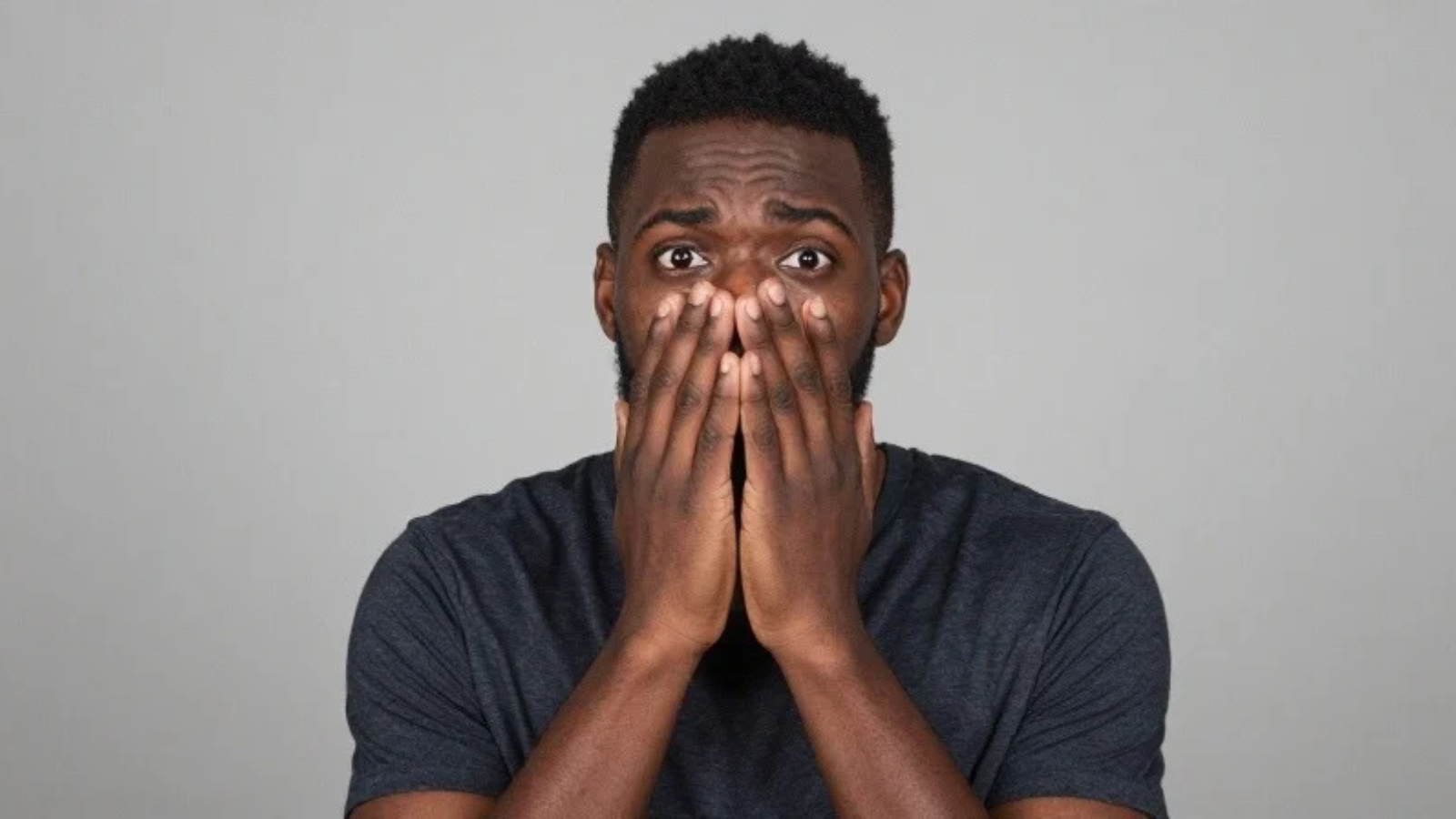
Imagine sitting in a room where everyone is laughing.
Then someone makes a joke about a Black person, and the room suddenly feels different.
Some people laugh because they feel uncomfortable.
Someone else stays silent. The person being discussed may smile, but inside, the moment can feel humiliating rather than funny.
This is why the search phrase “racist jokes black person” deserves more than a collection of offensive jokes.
It opens a bigger conversation about racial stereotypes, comedy, social behavior, prejudice, and the difference between humor that brings people together and humor that puts someone down.
Comedy can be powerful. It can challenge social rules, expose hypocrisy, and help people talk about painful subjects.
But humor can also reinforce stereotypes when the joke depends on treating an entire racial group as less intelligent, less worthy, or fundamentally different.
Understanding that difference is useful for readers, comedians, parents, teachers, writers, marketers, and anyone creating content online.
1. Racist Jokes Black Person Searches Often Reveal a Deeper Question 🧭
- 🔎 People may search this phrase because they want to understand racist humor rather than repeat it.
- 🧠 Search intent can include curiosity about stereotypes, comedy, prejudice, or social history.
- 💬 Some readers are looking for examples, while others want to understand why those examples hurt.
- 🌍 Race-based humor has different meanings across cultures and communities.
- 📚 Educational content can answer the search without reproducing harmful material.
- ❤️ A human-first explanation recognizes that real people can be affected by online language.
- 🎭 Comedy and discrimination can overlap, especially when stereotypes become the punchline.
- 🗣️ Context matters because the same words can feel different in different situations.
- ⚖️ Intent does not always erase impact.
- 👀 A joke can be presented as “just humor” while still communicating a harmful stereotype.
- 🧩 Understanding context helps readers identify what makes a joke discriminatory.
- 🌱 Responsible content can satisfy curiosity while encouraging empathy.
- 🤝 Good humor can create connection without requiring a group to become the target.
- 💡 The most useful question is often not “Was it funny?” but “What made it funny?”
2. Racist Jokes Black Person Content and the Difference Between Humor and Harm 🎭
- 😂 Humor usually creates amusement through surprise, contrast, timing, or shared experience.
- 🚫 Racist humor may depend on degrading a person because of race.
- 🧠 Stereotypes simplify complex human identities into predictable assumptions.
- 👤 A person should never be reduced to a racial category for entertainment.
- 🎯 Punching down can make an audience laugh while making another person feel excluded.
- 💬 Satire can criticize racism without repeating racist beliefs as truth.
- 🪞 Comedy sometimes works by exposing prejudice rather than supporting it.
- 📖 Historical context can change how audiences understand older jokes.
- 🔄 Repeating harmful stereotypes can make them seem normal through familiarity.
- ❤️ Empathy helps writers consider the person on the receiving end.
- 🎬 A comedian can discuss racism while making racism itself the subject of criticism.
- 🧩 The target, message, and context all matter when evaluating racial humor.
- 🌟 Clever comedy does not need cruelty to be memorable.
- 🤝 Humor is strongest when the audience can laugh without another group being dehumanized.
3. Racist Jokes Black Person Stereotypes and Why Repetition Matters 🧠
- 🔁 Repeated stereotypes can become familiar cultural shortcuts.
- 🧠 Familiarity can influence how people interpret later information.
- 👀 A repeated image may seem harmless while quietly shaping expectations.
- 📺 Movies, television, memes, and social media can spread stereotypes rapidly.
- 📱 Viral content can reach audiences without the original context.
- 🗯️ A joke may introduce a stereotype to someone who had never considered it.
- 🧩 Stereotypes rarely describe the diversity found within a racial community.
- 🌍 Black communities contain enormous differences in culture, nationality, language, personality, and experience.
- 🚫 Treating millions of people as one personality is inaccurate.
- 🧪 Social psychology examines how categorization can influence perception.
- ❤️ Personal relationships can challenge simplistic assumptions about groups.
- 📚 Education can replace stereotypes with more accurate information.
- 🎯 Writers should examine whether a joke depends on an assumption about race.
- 🌱 Breaking the repetition cycle creates space for richer forms of comedy.
4. Racist Jokes Black Person History and the Legacy Behind the Humor 📜
- 🕰️ Racial humor did not develop in a historical vacuum.
- 📚 Black people have experienced long histories of discrimination in many societies.
- 🎭 Entertainment has sometimes reflected and reinforced those unequal social structures.
- 📰 Old media can contain stereotypes that modern audiences recognize as offensive.
- 🧠 Historical knowledge helps explain why certain images carry emotional weight.
- ⛓️ Racism has included social, economic, political, and cultural dimensions.
- 🎬 Popular entertainment has both challenged racism and reproduced it.
- 🗣️ Black artists have also used comedy to criticize racism and reclaim narratives.
- 🔍 Context can reveal whether a performance challenges a stereotype or celebrates it.
- 🌎 Racial humor should be understood within the specific society where it appears.
- 📖 Historical awareness prevents shallow interpretations of offensive material.
- 🧩 The same phrase may carry different meanings across generations.
- ❤️ Understanding history can make modern conversations more thoughtful.
- 🌱 Learning the past allows creators to build better cultural conversations today.
5. Racist Jokes Black Person and the Psychology of Being the Target 🧠
- 👂 Being repeatedly stereotyped can affect how a person experiences social situations.
- 😔 Public humiliation can feel very different from private teasing among trusted friends.
- 🧠 People naturally notice threats to belonging and social acceptance.
- 👥 Group identity can make racial insults feel broader than an individual disagreement.
- 💬 A person may laugh along simply to avoid conflict.
- 🤐 Silence does not necessarily mean agreement.
- 😅 Nervous laughter can be a social coping response.
- ❤️ Emotional impact should not be judged solely from someone’s facial reaction.
- 🧩 Different people respond to offensive humor in different ways.
- 🛑 Repeated exposure can make hostile environments feel exhausting.
- 🤝 Supportive social settings make it easier to challenge harmful comments.
- 🌱 Empathy means considering experiences that may differ from our own.
- 🔎 Psychological impact depends on context, relationship, frequency, and power.
- 💡 Listening is often more useful than arguing about whether someone “should” be offended.
6. Racist Jokes Black Person Searches and the Problem With “Just a Joke” 🗣️
- 😂 Calling something a joke does not automatically remove its social meaning.
- 🧠 Humor communicates ideas as well as entertainment.
- 🎯 The phrase “just a joke” can sometimes end a conversation before impact is considered.
- 💬 People can disagree about humor without denying another person’s experience.
- 🔍 Asking what the joke assumes can reveal its underlying stereotype.
- 🪞 Asking who benefits from the joke can provide another useful perspective.
- ⚖️ Intent and impact can both be discussed without pretending they are identical.
- ❤️ A good-faith apology can acknowledge harm without becoming a dramatic performance.
- 🧩 Context matters more than a single isolated sentence.
- 👥 Audience reactions can change depending on relationships and circumstances.
- 🌱 Responsible humor leaves room for feedback.
- 🎭 Comedians often understand that difficult subjects require careful framing.
- 🚫 Defensiveness can make a harmful interaction worse.
- 💡 “It was only a joke” explains intent, but it does not automatically settle the conversation.
7. Racist Jokes Black Person Content and Social Media Amplification 📱
- 📲 Social platforms can spread controversial humor extremely quickly.
- 🔁 Users can repost content without knowing its original context.
- ⚡ Algorithms may reward engagement, including shock and outrage.
- 👀 A provocative post can reach audiences far beyond its intended community.
- 🧠 Repetition can make extreme language appear more ordinary.
- 💬 Comment sections may encourage people to compete for increasingly shocking responses.
- 🚨 Context can disappear when a clip becomes a short meme.
- 📸 Screenshots can circulate even after the original post is deleted.
- 🌍 Global audiences may interpret culturally specific humor differently.
- 🛡️ Platform reporting tools can help users respond to harassment.
- 🧑💻 Content creators should consider the audience before publishing racial humor.
- 📚 Educational posts can provide context instead of simply amplifying offensive material.
- ❤️ Digital empathy matters because usernames represent real people.
- 🌱 Sustainable content builds attention without depending on racial humiliation.
8. Racist Jokes Black Person Discussions and the Role of Context 🎬
- 🎭 Context can determine whether a statement is criticism, satire, or endorsement.
- 🗣️ The speaker’s relationship with the audience can change interpretation.
- 📍 Location and culture can influence how racial language is understood.
- ⏰ Historical timing can matter when evaluating older material.
- 🎯 The target of a joke is especially important.
- 🪞 Satire may imitate prejudice to expose its absurdity.
- 🚫 Repeating a stereotype without critical framing can communicate a very different message.
- 🎥 Performance cues may be lost when content is removed from its original setting.
- 📝 Captions and headlines can change how audiences interpret a clip.
- 🧠 Readers should avoid assuming that every use of racial language has identical meaning.
- 📚 Contextual explanations help people analyze controversial comedy responsibly.
- ❤️ Good criticism separates the work from attacks on individuals.
- 🔍 Asking “What is the joke actually criticizing?” can clarify intent.
- 🌱 Thoughtful context creates better conversations than outrage alone.
9. Racist Jokes Black Person Requests and Safer Comedy Alternatives 😂
- 🎭 Try observational humor about everyday misunderstandings instead of race.
- ☕ Comedy about awkward social situations can be relatable without targeting a group.
- 🧑💻 Workplace misunderstandings offer endless harmless comedic material.
- 🚗 Family stories can produce funny moments without racial stereotypes.
- 🐶 Pets and their strange behavior are naturally comic subjects.
- 🍕 Food preferences can create playful disagreements without degrading identity.
- 📱 Technology fails are universal sources of humor.
- 😴 Sleep habits can inspire lighthearted observational comedy.
- 🛒 Shopping experiences often contain funny misunderstandings.
- ✈️ Travel mishaps can create memorable stories.
- 🏫 School experiences provide relatable comedic situations.
- 💬 Miscommunication between friends can become a funny story.
- 🎯 Self-directed humor can be effective when it does not invite prejudice against others.
- 🌟 The goal is not to make comedy bland; it is to make the target more creative.
10. Racist Jokes Black Person Writing and How Creators Can Build Better Humor ✍️
- 📝 Start with a human experience rather than a racial stereotype.
- 🎯 Give the joke a clear comedic target.
- 🧠 Look for contradictions in everyday life.
- 👀 Notice small behaviors people recognize from their own experiences.
- 🎭 Use exaggeration instead of dehumanization.
- 🔄 Surprise the reader with an unexpected but harmless turn.
- ❤️ Create characters with personalities beyond demographic labels.
- 🗣️ Use dialogue to reveal personality rather than relying on stereotypes.
- 🧩 Build jokes around situations, choices, and misunderstandings.
- ✂️ Remove lines that contribute nothing except shock value.
- 🔍 Ask whether the joke still works without the racial reference.
- 🎬 If removing the stereotype destroys the joke, reconsider what makes it funny.
- 🌱 Strong writing usually becomes more interesting when characters gain depth.
- ✨ Original observation can be more memorable than recycled prejudice.
11. Racist Jokes Black Person Education and What Parents Can Teach Children 👨👩👧
- 🧒 Children learn social attitudes partly through observing adults.
- 🗣️ Parents can explain why racial stereotypes are inaccurate.
- ❤️ Empathy can be taught through conversations about other people’s feelings.
- 📚 Books can introduce children to diverse cultures and experiences.
- 🎭 Parents can explain that not every joke deserves to be repeated.
- 🧠 Children can learn the difference between teasing and harmful targeting.
- 👂 Listening to children’s questions creates opportunities for honest education.
- 🌍 Diversity should be presented as normal rather than unusual.
- 🚫 Adults should avoid teaching children that stereotypes are harmless.
- 💬 Simple explanations are often more effective than angry lectures.
- 🧩 Children can learn to question assumptions about groups.
- 🤝 Schools and families can reinforce respectful communication.
- 🌱 Correcting a harmful joke can become a learning opportunity.
- ⭐ Teaching kindness does not mean eliminating humor; it means improving its direction.
12. Racist Jokes Black Person Workplace Situations and Professional Respect 💼
- 🏢 Workplace humor operates within professional relationships and power structures.
- 👔 Employees may feel pressure to laugh when a manager makes an inappropriate comment.
- 🗣️ Professional standards can help establish boundaries around discriminatory behavior.
- 📋 Workplace policies may address harassment or discriminatory conduct.
- 🧠 Repeated racial humor can affect workplace trust.
- 🤝 Respectful teams make it easier for people to contribute ideas.
- 🚫 “Everyone here jokes like that” does not necessarily mean everyone is comfortable.
- 👥 Team culture develops through repeated everyday behavior.
- 💬 Managers have additional responsibility because their words can carry more influence.
- 🛑 Employees can seek appropriate organizational support when conduct crosses established boundaries.
- 📚 Training can explain respectful communication without treating employees as children.
- 🌱 Healthy workplaces can still be funny, relaxed, and personable.
- 🎯 Humor about universal workplace frustrations can build connection.
- ❤️ Professional comedy should create camaraderie rather than fear of becoming the next target.
13. Racist Jokes Black Person SEO Content and Responsible Search Intent 🔎
- 🧭 SEO begins with understanding what the searcher actually wants.
- 🔍 A sensitive keyword should not automatically produce harmful material.
- 📝 Search-friendly content can answer the query while providing useful context.
- 🧠 Semantic SEO should connect terms such as racism, stereotypes, comedy, prejudice, and social impact.
- 🌐 Related concepts help search engines understand topical relevance.
- ❤️ Helpful content should prioritize readers over keyword repetition.
- 🚫 Keyword stuffing can make sensitive topics feel exploitative.
- 📚 Supporting claims with credible information improves trust.
- 🎯 Search intent may be informational, educational, cultural, or entertainment-related.
- 🧩 A strong article can address several legitimate intents without endorsing harmful behavior.
- 📈 Engagement should come from usefulness rather than outrage bait.
- ✨ Clear headings make complex subjects easier to navigate.
- 🛡️ Responsible SEO avoids creating pages whose main purpose is to amplify hateful material.
- 🌱 Long-term topical authority comes from accurate, useful, and trustworthy coverage.
14. Racist Jokes Black Person Conversations and a More Human Future 🤝
- ❤️ Every search about race ultimately connects to real human experiences.
- 🧠 Curiosity is valuable when it leads to understanding rather than ridicule.
- 🎭 Comedy can discuss racism without becoming racist itself.
- 🌍 Cultural differences deserve curiosity rather than automatic judgment.
- 🗣️ Listening can reveal why a supposedly harmless joke affects someone deeply.
- 🔎 Critical thinking helps audiences identify stereotypes.
- 🎯 Writers can choose better targets for humor.
- 🌱 Creators can turn difficult subjects into thoughtful conversations.
- 🤝 Respect does not require everyone to share identical opinions about comedy.
- 📚 Education can provide historical context that short memes cannot.
- 🧩 Nuance makes conversations about race more productive.
- ✨ Creativity expands when writers are not dependent on stereotypes.
- 😂 Humor can challenge prejudice instead of strengthening it.
- 🌟 The strongest comedy leaves audiences thinking, laughing, or connecting without making someone’s racial identity the price of admission.
Frequently Asked Questions About Racist Jokes Black Person Searches
1. Why do people search for racist jokes about Black people?
People may search for this topic for very different reasons. Some are curious about the history of racist humor, some are researching stereotypes, and others may be looking for comedy material. Search behavior alone does not reveal a person’s intention. A useful approach is to examine the subject through history, psychology, media, and social context rather than simply collecting offensive jokes. Understanding why racial humor can cause harm provides more lasting value than repeating stereotypes. It also helps writers and readers distinguish between comedy that critiques racism and comedy that depends on degrading Black people.
2. Why can racist jokes about Black people be harmful?
Racist jokes can be harmful when their humor depends on negative assumptions about Black people as a racial group. Even when a speaker says they intended to be funny, the joke can reinforce stereotypes or make someone feel excluded. The impact can also depend on frequency, setting, relationships, and power differences. A private joke between close friends is not automatically equivalent to a public workplace comment, but context does not make every statement harmless. Understanding the underlying stereotype is often the best way to evaluate why a particular form of humor can have consequences beyond the moment of laughter.
3. Can comedy about racism be funny without being racist?
Yes. Comedy can make racism itself the target rather than making a racial group the target. Satire, irony, exaggeration, observational comedy, and storytelling can expose prejudice, hypocrisy, awkward social behavior, or historical absurdities. The important distinction is what the audience is being invited to laugh at. If the joke exposes the foolishness of prejudice, its purpose can be very different from a joke that presents a racial stereotype as truth. Skilled comedians often use uncomfortable subjects precisely because humor can make audiences examine assumptions they might otherwise ignore.
4. What is the difference between racial humor and racist humor?
Racial humor can involve race as a subject without necessarily degrading a racial group. For example, a comedian might discuss cultural misunderstandings, identity, family experiences, or the absurdity of stereotypes. Racist humor generally relies on racial hierarchy, dehumanization, or negative stereotypes to create the punchline. The distinction is not always determined by a single word. Context, target, framing, audience, and underlying message all matter. A useful test is to ask whether the joke is criticizing an unfair idea or using that idea against the people associated with a racial identity.
5. Why do people say “it was just a joke” after making racist comments?
“It was just a joke” can describe the speaker’s intention, but it does not automatically describe the listener’s experience. People sometimes use humor to test social boundaries, avoid responsibility, or reduce tension after an uncomfortable comment. In other situations, the speaker genuinely may not realize how the statement sounded. The most productive response is often to examine the specific comment and its context instead of assuming either perfect innocence or malicious intent. Conversations become easier when people can discuss both intention and impact without treating them as exactly the same thing.
6. How can writers create funny content without racial stereotypes?
Writers can build comedy around situations rather than identity-based assumptions. Everyday misunderstandings, family habits, awkward conversations, technology failures, work frustrations, dating mishaps, travel problems, and personal contradictions can all create strong material. Good comedy often comes from observation and surprise. Writers can also create fully developed characters whose personality is more important than their demographic category. A useful editing test is simple: remove the racial stereotype and see whether the joke still works. If it does, the writing may already have a stronger comedic foundation.
7. Why are racist jokes sometimes popular online?
Online popularity does not necessarily mean broad approval. Social platforms can reward content that creates strong reactions, including shock, disagreement, controversy, and outrage. Users may share offensive material to criticize it, mock it, or provoke discussion. Short-form content can also remove important context. Because online audiences are diverse and global, a joke that began within one social group may quickly reach people who interpret it differently. This makes context especially important when discussing racial humor online. Engagement metrics can tell creators that people reacted, but they do not automatically explain why they reacted.
8. Can someone criticize racist jokes without repeating them?
Absolutely. Criticism can focus on the structure, stereotype, historical context, or social effect of a joke rather than reproducing the offensive material. This is especially useful in educational articles, classrooms, workplaces, and public-facing websites. Describing the mechanism behind a joke can often teach readers more than displaying the joke itself. For example, an analysis can explain that a particular joke depends on an assumption about intelligence, appearance, behavior, or criminality without repeating the exact insult. This approach preserves educational value while reducing unnecessary amplification of harmful language.
9. How should teachers explain racist jokes to students?
Teachers can begin by distinguishing humor from harm and encouraging students to examine assumptions behind a joke. Historical context is useful because many racial stereotypes developed within particular social and political conditions. Students can discuss who is the target, what assumption creates the punchline, and how different audiences might interpret it. The discussion should focus on critical thinking rather than humiliating students who ask questions. Age-appropriate language and classroom policies should guide the conversation. The broader lesson is that understanding offensive humor can help students recognize stereotypes and communicate respectfully in diverse communities.
10. What are better alternatives to racist jokes about Black people?
Better alternatives include observational humor, situational comedy, self-aware storytelling, absurd humor, workplace comedy, family stories, and jokes about universal human experiences. Writers can also use satire to criticize prejudice rather than reproduce it. Humor becomes more creative when the writer has to discover an unexpected angle instead of relying on a familiar stereotype. The strongest alternative is not simply replacing one offensive joke with another category of joke. It is learning how to find comedy in behavior, contradiction, timing, misunderstanding, and everyday life while allowing characters to remain fully human.
Conclusion
The phrase “racist jokes black person” may begin as a simple search query, but the subject behind it is much larger. It involves comedy, identity, history, stereotypes, psychology, media, and the choices people make when they decide what deserves a laugh.
Humor does not have to disappear from difficult conversations
. In fact, thoughtful comedy can challenge prejudice and help people examine uncomfortable ideas.
The key difference is where the punchline lands.
When a joke depends on reducing Black people to a stereotype, it can reinforce ideas that have consequences beyond the moment.
When comedy instead targets prejudice, hypocrisy, awkward situations, or universal human behavior, it can create laughter without turning someone’s racial identity into the punchline.
Good writing asks more of us. Good comedy does too.
the most memorable humor is often not the humor that hurts the easiest target, but the humor clever enough to find something genuinely surprising, human, and funny without sacrificing someone’s dignity.

“Benjamin Reed delivers witty jokes, pop culture humor, and viral entertainment blogs on Humorly.”