
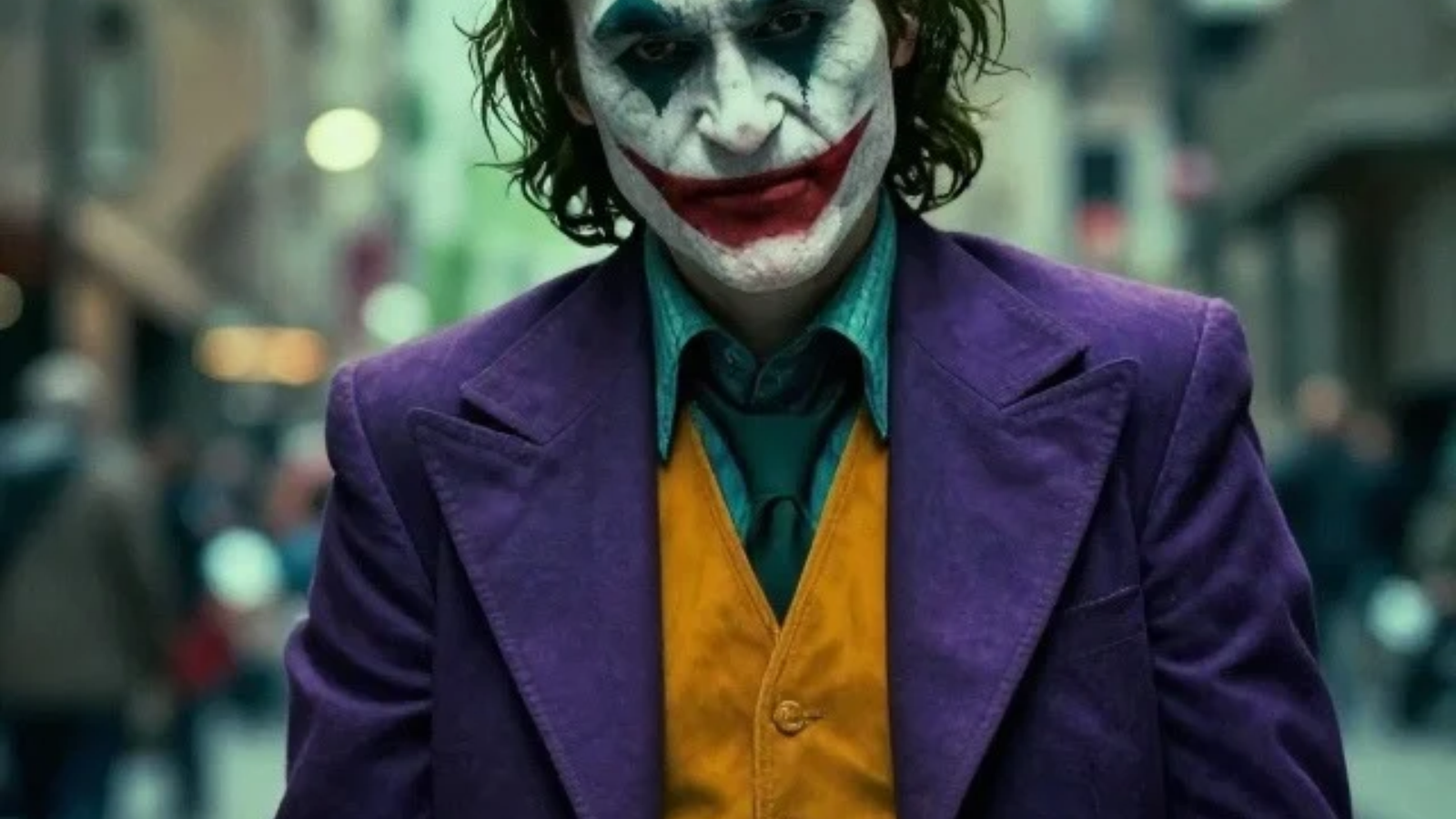
The Joker from the Suicide Squad: Story, Psychology & Facts
There are villains you hate, villains you fear, and then there are villains you cannot stop watching.
The Joker from the Suicide Squad belongs to that strange third category.
He does not simply walk into a scene; he changes its emotional temperature.
His bright smile, sharp clothes, wild behavior, and twisted relationship with Harley Quinn make him one of the most memorable parts of the 2016 DC movie.
Played by Jared Leto, this version of the Joker is different from many earlier interpretations.
He is less focused on being a traditional clown themed criminal and more interested in looking like a modern criminal kingpin.
His tattoos, jewelry, expensive cars, weapons, and unpredictable attitude create a character who feels connected to a darker version of celebrity culture.
But beneath the flashy appearance is something more interesting:
a character built around control, obsession, fear, and emotional chaos.
Understanding this Joker is not only about asking what he does in Suicide Squad.
It is also about understanding why audiences remember his relationship with Harley Quinn, why his appearance became controversial, and why the character continues to attract attention years after the movie’s release.
1. Why the joker from the suicide squad Feels Instantly Different 🃏
- 🎭 A modern criminal image: The joker from the suicide squad looks more like a powerful underworld figure than a classic circus clown.
- 💎 Luxury meets danger: Jewelry, designer-style clothing, flashy vehicles, and weapons create an unusual mixture of wealth and violence.
- 🃏 The smile remains important: Even with a modern design, his grin keeps the familiar Joker identity alive.
- 🧠 His behavior feels unstable: He can switch quickly between playful charm, anger, affection, and intimidation.
- 🔥 He loves dramatic entrances: His presence is often designed to make other characters uncomfortable before he even speaks.
- 🎬 His screen time is limited: Interestingly, the character does not dominate the entire movie despite receiving enormous attention.
- 🖤 His world feels dark: His surroundings often include crime, luxury, neon lighting, weapons, and emotional tension.
- 😈 He is not a simple villain: His motivations involve control, obsession, ego, and a desire to dominate others.
- 💋 Romance becomes dangerous: His connection with Harley Quinn is presented as intense but deeply unhealthy.
- 🚘 His vehicles become part of his identity: Cars and customized transportation reinforce his image as a criminal celebrity.
- 🧨 Chaos follows him: Other characters often react to him because they cannot predict what he will do next.
- 🕶️ His confidence is exaggerated: He behaves as though fear belongs to everyone except him.
- 🎨 The visual design is deliberate: Tattoos and unusual styling were created to communicate personality without long explanations.
- 👀 He creates curiosity: Even viewers who dislike the interpretation often remember it because it is visually distinctive.
2. How the joker from the suicide squad Uses Appearance as a Weapon 🎨
- 🃏 His tattoos tell a story: The body art creates visual clues about his personality and criminal lifestyle.
- 🦷 The damaged-looking smile matters: It suggests violence, history, and a relationship with fear.
- 💚 Green hair connects him to tradition: The color keeps an unmistakable link to the classic Joker mythology.
- 💍 Jewelry communicates status: His accessories make him look wealthy, powerful, and intentionally extravagant.
- 👔 Clothing becomes psychological armor: His outfits help establish confidence and dominance.
- 🔥 Gold and metallic details attract attention: They visually separate him from ordinary criminals.
- 😎 His body language is theatrical: He rarely behaves like someone trying to disappear.
- 🖤 Dark styling creates emotional contrast: His colorful elements become more noticeable against darker surroundings.
- 📸 His image resembles a criminal celebrity: The character appears comfortable being watched.
- 🧠 Visual symbolism reduces exposition: Audiences understand much about him before he explains himself.
- 🎭 The design rejects subtlety: Almost every detail is meant to be noticed.
- 💎 Luxury suggests power: His possessions imply that his criminal empire has rewarded him.
- ⚡ The unusual design creates debate: Different viewers interpret his tattoos and clothing in very different ways.
- 👁️ His appearance becomes part of the story: The Joker is memorable partly because his design communicates personality instantly.
3. What the joker from the suicide squad Reveals Through His Psychology 🧠
- 🧠 Control is central: He repeatedly tries to control situations and people around him.
- 🎭 Charm hides intimidation: Friendly behavior can quickly become threatening when he loses control.
- 🔥 He embraces emotional extremes: Calmness and aggression can exist only moments apart.
- 🃏 He enjoys unpredictability: Keeping others uncertain gives him psychological power.
- 💔 Attachment becomes possession: His relationship with Harley is portrayed through an unhealthy need for control.
- 😈 Fear becomes entertainment: He often treats dangerous situations as opportunities for amusement.
- 🕶️ Confidence borders on arrogance: He behaves as though normal rules do not apply to him.
- 🧨 Risk does not discourage him: Dangerous situations can actually make him more energetic.
- 💋 Affection is complicated: His romantic behavior cannot easily be separated from manipulation.
- 🖤 He avoids emotional vulnerability: Genuine softness is difficult for him to sustain.
- 🎪 Performance protects identity: His theatrical personality can function like a mask.
- ⚡ Chaos gives him freedom: Disorder allows him to avoid predictable social expectations.
- 👀 He studies reactions: Other people’s fear and confusion appear meaningful to him.
- 🧩 His psychology remains partly unexplained: The movie leaves enough mystery for viewers to form different interpretations.
4. How the joker from the suicide squad Changes Harley Quinn’s Story 💔
- 💋 Harley is emotionally connected to him: Their relationship is a major part of her backstory.
- 🧠 Their dynamic involves manipulation: Love and control become difficult to separate.
- 🎭 Harley often performs confidence: Her humor can hide emotional pain.
- 💔 The relationship is not healthy: The story includes behavior that reflects emotional and physical abuse.
- 🃏 The Joker becomes part of her identity: Her history with him influences how audiences understand Harley.
- 🔥 Harley develops independently: The movie also shows her becoming a major character beyond their relationship.
- 👠 Her visual style creates contrast: Harley’s colorful personality differs from the Joker’s darker criminal image.
- 🧨 Their relationship is unpredictable: Sudden emotional changes keep the audience uncertain.
- 🖤 Obsession drives important choices: Their connection influences actions throughout the story.
- 🧠 The relationship invites psychological discussion: Viewers can examine attachment, dependency, manipulation, and identity.
- 🎬 Their shared scenes carry emotional tension: Even short moments can communicate years of complicated history.
- ⚠️ Romanticizing abuse can be misleading: Fictional intensity should not be confused with healthy love.
- 🌹 Harley’s later stories broaden her character: She becomes more than simply the Joker’s partner.
- ✨ Their separation becomes meaningful: Harley’s independence gains greater emotional weight because of their past.
5. What the joker from the suicide squad Means in the Larger DC Universe 🌎
- 🦇 He belongs to Batman’s mythology: The Joker is historically one of Batman’s most recognizable enemies.
- 🎬 This version appears in the DCEU era: His portrayal belongs to a specific cinematic period of DC storytelling.
- 🃏 He carries familiar mythology: Chaos, criminality, humor, and psychological warfare remain central.
- 🔥 The interpretation is modernized: Traditional elements are combined with contemporary gangster aesthetics.
- 🧩 His exact history is not fully explained: The movie leaves parts of his background mysterious.
- 🕶️ Batman remains an important shadow: References to Batman help establish the Joker’s larger identity.
- 🎭 He is not identical to comic versions: Every cinematic Joker changes certain details.
- 📚 Comic history provides the foundation: His basic identity comes from decades of DC storytelling.
- 🎥 Different actors create different versions: Performance style strongly affects audience interpretation.
- 🧠 There is no single definitive screen Joker: Each adaptation emphasizes different psychological qualities.
- 💚 The green hair preserves continuity: It visually connects the character to his comic origins.
- ⚡ His criminal influence is important: Other characters treat him as someone with serious power.
- 🎭 He functions as a symbol of chaos: That idea remains consistent across many adaptations.
- 🌎 His cultural identity extends beyond one film: The Joker has become a major pop-culture figure worldwide.
6. How the joker from the suicide squad Was Played by Jared Leto 🎬
- 🎭 Jared Leto approached the role intensely: His performance aimed for a distinctive interpretation rather than simple imitation.
- 🃏 His voice differs from earlier Jokers: The delivery emphasizes a modern criminal personality.
- 😈 Physical movement is expressive: Gestures and posture contribute heavily to the character.
- 🕶️ He uses controlled confidence: Many scenes depend on presence rather than lengthy dialogue.
- 🔥 His performance favors unpredictability: Sudden shifts make the character difficult to read.
- 💎 The acting works with costume design: Clothes and body language reinforce each other.
- 🧠 Facial expressions communicate threat: Small changes in expression can alter a scene’s mood.
- 🎬 The role required a strong visual identity: The performance had to stand beside an elaborate character design.
- 🖤 He emphasizes criminal authority: This Joker often behaves like someone accustomed to being obeyed.
- ⚡ His energy can become explosive: Quiet scenes can suddenly turn aggressive.
- 🎭 The character remains theatrical: Performance and spectacle are closely connected.
- 👀 He rarely appears emotionally ordinary: Even relaxed moments carry tension.
- 🃏 His interpretation divided audiences: Viewers have responded differently to the modernized approach.
- 🎥 His portrayal became part of DC’s cinematic history: Regardless of opinion, it represents a specific era of superhero filmmaking.
7. Why the joker from the suicide squad Became So Visually Memorable 📸
- 📸 The tattoos photograph strongly: They create recognizable details in promotional images.
- 💚 Green hair creates instant recognition: The color immediately signals the Joker identity.
- 💎 Accessories add visual storytelling: Rings, chains, and other details suggest wealth and criminal status.
- 🚘 Cars strengthen the aesthetic: Vehicles become extensions of his larger-than-life personality.
- 🃏 The grin remains iconic: It connects modern styling to familiar Joker imagery.
- 🖤 High contrast creates strong visuals: Dark environments make his appearance stand out.
- 🎨 The design is highly detailed: Viewers can notice new elements after repeated viewing.
- 🔥 His promotional imagery was striking: Marketing emphasized his unusual appearance.
- 👀 The character looks different from ordinary villains: That distinction helps memory and recognition.
- 🎭 Every detail appears intentional: Nothing about the styling feels accidental.
- 💍 Luxury supports his criminal persona: Expensive-looking details communicate social status.
- ⚡ Visual excess fits his personality: His appearance mirrors his emotional extremes.
- 🧠 The image creates questions: Viewers naturally wonder about his history.
- 📱 The design works well in pop culture: Memorable visual traits easily spread through fan art and online discussion.
8. What the joker from the suicide squad Adds to the Movie’s Emotional Tension 🎭
- 🧨 His arrival raises danger: Characters become less predictable when he enters the story.
- 💔 Harley’s history gains emotional weight: His presence reminds audiences of her complicated past.
- 🃏 He introduces personal stakes: His actions are not simply part of the larger mission.
- 🔥 He disrupts stability: Scenes involving him can quickly become chaotic.
- 🧠 He creates uncertainty: Viewers cannot always predict his next decision.
- 😈 Fear becomes personal: His relationships make his danger feel more intimate.
- 🎬 His scenes change pacing: His appearances can shift the movie from action to psychological tension.
- 🖤 He adds emotional darkness: The story becomes more complicated than a simple superhero battle.
- ⚡ His unpredictability creates suspense: Even short scenes can feel dangerous.
- 💋 Harley’s reaction matters: Her emotional connection gives his actions additional meaning.
- 🎭 He challenges normal morality: His behavior exists far outside ordinary social rules.
- 🕶️ He carries criminal authority: Other characters treat him as a serious threat.
- 🧩 His limited appearances create mystery: Audiences are left wanting more information.
- 🎥 His presence expands the story: The movie feels connected to a larger criminal world beyond the main mission.
9. Why the joker from the suicide squad Is Often Discussed With Harley Quinn 💋
- 💋 They are culturally connected: Their names are frequently discussed together because of their comic history.
- 🃏 Their relationship is dramatic: Conflict, attraction, control, and separation create strong storytelling material.
- 🧠 Harley changes through the relationship: Her character development cannot be separated from her past.
- 💔 Their bond is emotionally complicated: Simple labels do not capture the full dynamic.
- 🎭 Both characters are theatrical: Their personalities naturally create dramatic scenes.
- 🔥 They share an intense aesthetic: Their visual styles are designed to stand out.
- 🖤 Their relationship contains darker themes: Abuse and manipulation are important parts of the discussion.
- 🌹 Romantic imagery can obscure reality: Fictional glamour does not make unhealthy behavior healthy.
- 🧨 Their relationship creates conflict: Personal history can become a source of action and suspense.
- 👠 Harley increasingly gains independence: Later stories give her a stronger identity outside the Joker.
- 🧩 Fans interpret their relationship differently: Some focus on romance while others focus on its abusive elements.
- 🎬 The movie uses their history efficiently: Small details communicate a complicated past.
- 🧠 Their story raises psychological questions: Attachment, dependency, identity, and control all appear.
- ✨ Their separation becomes part of Harley’s evolution: Moving beyond the Joker becomes important to her broader character journey.
10. How the joker from the suicide squad Compares With Other Screen Jokers 🎥
- 🃏 He is more gangster-like: This version emphasizes criminal luxury and status.
- 🎭 He is highly theatrical: Like other versions, performance remains central to his identity.
- 🧠 His psychology is less explained: The movie gives limited direct access to his inner history.
- 💚 His traditional color remains: Green hair keeps a recognizable comic connection.
- 🔥 His visual design is unusually modern: Tattoos and jewelry distinguish him strongly.
- 🕶️ His criminal power feels visible: He appears surrounded by wealth and followers.
- 🎬 His screen time differs: Some other Joker portrayals receive much larger narrative roles.
- 🖤 His tone is darker in a contemporary way: The aesthetic reflects modern crime culture.
- 👀 His interpretation is intentionally distinctive: The goal was not to reproduce another actor’s performance.
- ⚡ His movements are energetic: Physical performance is important to the portrayal.
- 🧩 His backstory remains incomplete: This leaves room for audience speculation.
- 🎭 Different Jokers represent different themes: Some emphasize philosophy, others crime, comedy, trauma, or chaos.
- 📚 Comic inspiration remains underneath: The character still depends on decades of Joker mythology.
- 🌎 Comparison depends on what viewers value: Performance, writing, design, screen time, and character depth can all produce different reactions.
11. What the joker from the suicide squad Teaches Us About Villain Design 🧩
- 🎨 Appearance can communicate personality: Design can tell audiences who a character is before dialogue begins.
- 🧠 Details create curiosity: Tattoos and accessories encourage viewers to search for meaning.
- 🃏 Classic symbols provide recognition: Familiar elements make radical redesigns easier to identify.
- 💎 Status can become visual: Wealth and clothing can communicate power without exposition.
- 🔥 Contrast creates memorability: Combining luxury with violence makes the character visually unusual.
- 🎭 Performance and design must cooperate: Clothing cannot create personality alone.
- 🖤 Color can guide attention: Strong visual contrasts help audiences remember characters.
- 👀 Mystery encourages discussion: Unexplained details can generate fan theories.
- 🧨 Props can become storytelling devices: Weapons and vehicles reinforce the character’s criminal identity.
- 🕶️ Silhouette matters: A recognizable outline can make a character identifiable quickly.
- 💋 Relationships can strengthen design: Harley’s contrasting appearance creates a memorable visual pairing.
- ⚡ Exaggeration suits comic-book worlds: Larger-than-life characters can support dramatic storytelling.
- 🧠 Good design creates questions: Viewers should wonder about the person behind the appearance.
- 🎬 Memorable villains need more than costumes: Behavior, dialogue, relationships, and narrative purpose must support the visual concept.
12. Why the joker from the suicide squad Still Attracts Search Interest 🔎
- 🔎 People search his identity: Many viewers want to know which actor played him.
- 🎬 The movie remains searchable: Superhero films often continue attracting viewers after release.
- 🃏 His design creates curiosity: Searches frequently focus on tattoos, clothing, and appearance.
- 💋 Harley Quinn drives interest: Her popularity naturally brings attention to their relationship.
- 🧠 Fans explore his psychology: Viewers want to understand why this Joker behaves differently.
- 📸 Images remain popular: His unusual styling makes him visually searchable.
- 🎭 People compare Joker versions: Different portrayals create ongoing entertainment discussions.
- 📚 Comic connections invite research: Fans often investigate how movie versions relate to comics.
- 🚘 His cars attract attention: Vehicles become part of the character’s recognizable identity.
- 💚 His appearance creates debate: Different opinions encourage further searches and discussions.
- 🎥 DC fans revisit older films: New releases can renew interest in earlier cinematic versions.
- 🧩 Unanswered questions encourage curiosity: Limited backstory leaves room for interpretation.
- 📱 Social media keeps visual characters alive: Memes, edits, clips, and fan discussions extend cultural attention.
- 🌎 Global audiences search differently: Queries can focus on actor, character, movie, relationship, costume, or story depending on intent.
13. What the joker from the suicide squad Represents in Modern Pop Culture 🌟
- 🃏 He represents a recognizable villain archetype: Chaos and criminality remain central to the Joker identity.
- 🎭 He demonstrates character reinvention: Familiar characters can be redesigned for new audiences.
- 💎 His luxury aesthetic reflects modern crime imagery: Wealth becomes part of the villain’s identity.
- 📸 His appearance became a conversation point: Visual choices can influence audience reception.
- 🧠 He represents psychological ambiguity: The character cannot be reduced to one simple motivation.
- 🔥 He turns danger into spectacle: Entertainment and violence become deliberately connected.
- 💋 His relationship with Harley reflects changing conversations: Audiences increasingly examine unhealthy fictional relationships critically.
- 🎬 He belongs to a larger superhero culture: His identity exists within decades of DC storytelling.
- 👀 He shows the power of recognizable symbols: Green hair and a grin remain immediately identifiable.
- 🖤 He represents theatrical villainy: Performance remains as important as physical power.
- ⚡ He creates strong reactions: Memorable characters do not always create identical opinions.
- 🧩 He demonstrates adaptation differences: A cinematic universe can reinterpret familiar comic material.
- 📱 Online culture extends fictional characters: Discussions continue beyond the original film.
- 🌎 His influence is broader than one scene: His imagery has become part of the wider conversation around modern Joker adaptations.
14. The Lasting Mystery Behind the joker from the suicide squad 🖤
- 🃏 His complete history remains unclear: The movie intentionally leaves important details unexplained.
- 🧠 That mystery creates curiosity: Viewers naturally imagine what happened before the story.
- 🎭 His personality contains contradictions: Charm and cruelty exist side by side.
- 💔 His relationship with Harley adds emotional complexity: Their past suggests more than simple romance.
- 🕶️ His confidence hides vulnerability: Whether that vulnerability is genuine remains uncertain.
- 🔥 His criminal empire suggests influence: He appears to possess resources beyond ordinary street crime.
- 💎 His lifestyle communicates ambition: Luxury is presented as part of his identity.
- 🧩 His tattoos invite interpretation: Some details appear symbolic while others remain intentionally ambiguous.
- 🎬 His limited role leaves unanswered questions: The audience sees only a portion of his world.
- 🃏 He remains connected to Batman mythology: That larger relationship adds another layer to his character.
- 🖤 His story is partly about control: He wants people and situations to move according to his wishes.
- ⚡ His unpredictability is his greatest dramatic tool: Characters cannot comfortably predict him.
- 👀 His image outlives the movie: Visual identity can remain memorable even when opinions about the portrayal differ.
- ✨ That mystery explains his staying power: The joker from the suicide squad remains interesting because the audience is never shown everything.
FAQ: Long-Tail Questions About the Joker from the Suicide Squad
Who played the joker from the suicide squad in the 2016 movie?
Jared Leto played the Joker in Suicide Squad (2016). His interpretation was designed as a modern, visually distinctive version of the famous DC villain. Instead of relying only on the traditional clown imagery associated with the character, this version uses tattoos, jewelry, luxury clothing, green hair, customized vehicles, and a criminal-underworld aesthetic. Leto’s performance also emphasizes unpredictability, theatrical behavior, intimidation, and an intense relationship with Harley Quinn. His version received significant attention because it looked and behaved differently from earlier cinematic interpretations. Whether viewers personally prefer this version depends on factors such as performance style, writing, character design, and expectations from previous Joker portrayals.
Why does the joker from the suicide squad have tattoos?
The tattoos are part of the visual redesign created for this version of the Joker. They help communicate his personality, criminal lifestyle, history, and desire to appear visually intimidating. Some tattoos reference familiar Joker imagery, while others became subjects of fan interpretation and debate. The design intentionally moves away from the cleaner appearance of several earlier screen versions and gives the character a contemporary criminal aesthetic. Tattoos are therefore not simply decoration; they function as visual storytelling. They tell the audience that this Joker wants his body, clothing, possessions, and surroundings to communicate status, danger, rebellion, and identity before he even begins speaking.
Is the joker from the suicide squad in love with Harley Quinn?
The Joker’s relationship with Harley Quinn in Suicide Squad is presented as an intense and complicated attachment, but describing it simply as healthy romantic love would ignore major elements of manipulation and abuse. Their relationship involves obsession, control, emotional dependency, danger, and strong attraction. Harley’s feelings toward him are important to her character history, yet the story also shows that their dynamic is damaging. This distinction matters because fictional relationships can be dramatic without being healthy models of real-world romance. Later Harley Quinn stories increasingly explore her identity and independence beyond the Joker, making her character much larger than her relationship with him.
What is different about the joker from the suicide squad compared with other Jokers?
The most obvious difference is visual and cultural style. The Suicide Squad Joker is presented as a modern criminal figure with tattoos, jewelry, luxury vehicles, expensive-looking clothing, green hair, and a gangster-inspired aesthetic. His performance also emphasizes criminal authority and theatrical unpredictability. Other cinematic Jokers have focused on different qualities, including philosophical chaos, psychological manipulation, crime, comedy, or tragedy. There is no single screen interpretation that represents every aspect of the character. Each version selects particular elements from the larger DC mythology. Leto’s version therefore stands out because it combines familiar Joker symbols with a contemporary underworld and celebrity-like visual identity.
What do the tattoos on the joker from the suicide squad mean?
The tattoos were created as visual elements that communicate different aspects of the character’s identity, although not every tattoo has a clearly established explanation within the movie itself. The most recognizable designs include Joker-related imagery and phrases that reinforce his connection to violence, chaos, and his own mythology. Some interpretations connect the tattoos to Batman and the Joker’s history, while others see them as expressions of ego or criminal identity. It is important to separate confirmed story information from fan theories. The movie does not provide a complete official explanation for every tattoo, which is one reason the character’s body art continues to generate online discussion.
Why is the joker from the suicide squad so visually different?
The character was redesigned to fit a contemporary interpretation of the Joker within the film’s darker, modern superhero setting. His tattoos, green hair, jewelry, clothing, vehicles, and criminal-luxury aesthetic were intended to make him instantly recognizable while separating him from previous versions. Comic-book characters are often redesigned when they move between different adaptations because filmmakers want each interpretation to have its own identity. The result is a Joker who resembles a criminal kingpin as much as a traditional comic-book clown. That visual difference is one reason audiences continue to discuss this version, even though the character’s screen time is relatively limited.
Does the joker from the suicide squad have a major role in the movie?
The Joker is important to the movie’s wider story and to Harley Quinn’s personal history, but he is not the central protagonist of Suicide Squad. The main narrative follows a government-controlled team of dangerous criminals sent on a mission. The Joker appears primarily through scenes connected to Harley and through his own attempts to influence events. His limited screen time contributes to the sense that viewers are seeing only part of his world. Rather than functioning as the movie’s main villain, he operates as a significant supporting figure whose presence creates personal conflict, emotional tension, and additional connections to the larger DC universe.
Is the joker from the suicide squad the same character as Batman’s Joker?
Yes. Jared Leto’s character in Suicide Squad is intended to be the Joker, the same broad DC character traditionally associated with Batman. Within the cinematic continuity of that period, references connect him to Batman and Gotham’s criminal history. However, this does not mean every detail must match the Joker from comics or another movie universe. Different adaptations can establish different histories, appearances, relationships, and timelines. The character’s core identity remains recognizable through elements such as the green hair, smile, criminal behavior, chaos, and rivalry with Batman. His specific cinematic backstory belongs to the continuity in which Suicide Squad was made.
Why does the joker from the suicide squad wear so much jewelry?
The jewelry helps communicate wealth, status, confidence, and criminal power. Rather than presenting the Joker as someone who simply survives through chaos, this version often looks like an established underworld figure with access to money and luxury. Rings, chains, watches, and other accessories contribute to that impression. The styling also supports the character’s theatrical personality because he wants attention rather than anonymity. In storytelling terms, costume design can communicate information without dialogue. When viewers see the Joker surrounded by expensive objects and customized possessions, they immediately receive visual signals about how he sees himself and how he wants others to perceive him.
Why does the joker from the suicide squad remain popular online?
Online interest is supported by several factors: the character’s distinctive visual design, Jared Leto’s performance, the popularity of Harley Quinn, the enduring appeal of the Joker, and continuing interest in DC movie history. His tattoos and unusual styling also make him especially suitable for images, edits, fan art, cosplay, and character discussions. In addition, audiences frequently compare different Joker portrayals, which keeps older versions relevant when new Batman or DC projects appear. Search interest does not necessarily mean everyone shares the same opinion of the portrayal. Instead, it shows that the character contains enough recognizable and debatable elements to encourage continued conversation.
Conclusion: Why the joker from the suicide squad Still Leaves a Mark
The lasting appeal of the joker from the suicide squad comes from more than a green hairstyle, tattoos, expensive cars, or a frightening smile.
His real impact comes from the combination of visual excess, psychological unpredictability, criminal power, and his complicated relationship with Harley Quinn.
He represents a Joker who feels rooted in a modern world of celebrity, wealth, crime, spectacle, and carefully constructed identity.
His portrayal may differ from other versions, but that difference is precisely what makes him worth examining.
Behind the jewelry is a criminal. Behind the smile is a character built around control and chaos
. Behind the relationship with Harley is a story about attachment, manipulation, and eventual independence.
Perhaps that is why audiences continue returning to him.
The Joker does not need to explain everything about himself to remain memorable.
Sometimes, the unanswered questions are what keep the lights on long after the movie ends.

“Enjoy funny stories, clean jokes, and viral humor articles written by Emma Collins on Humorly.”