
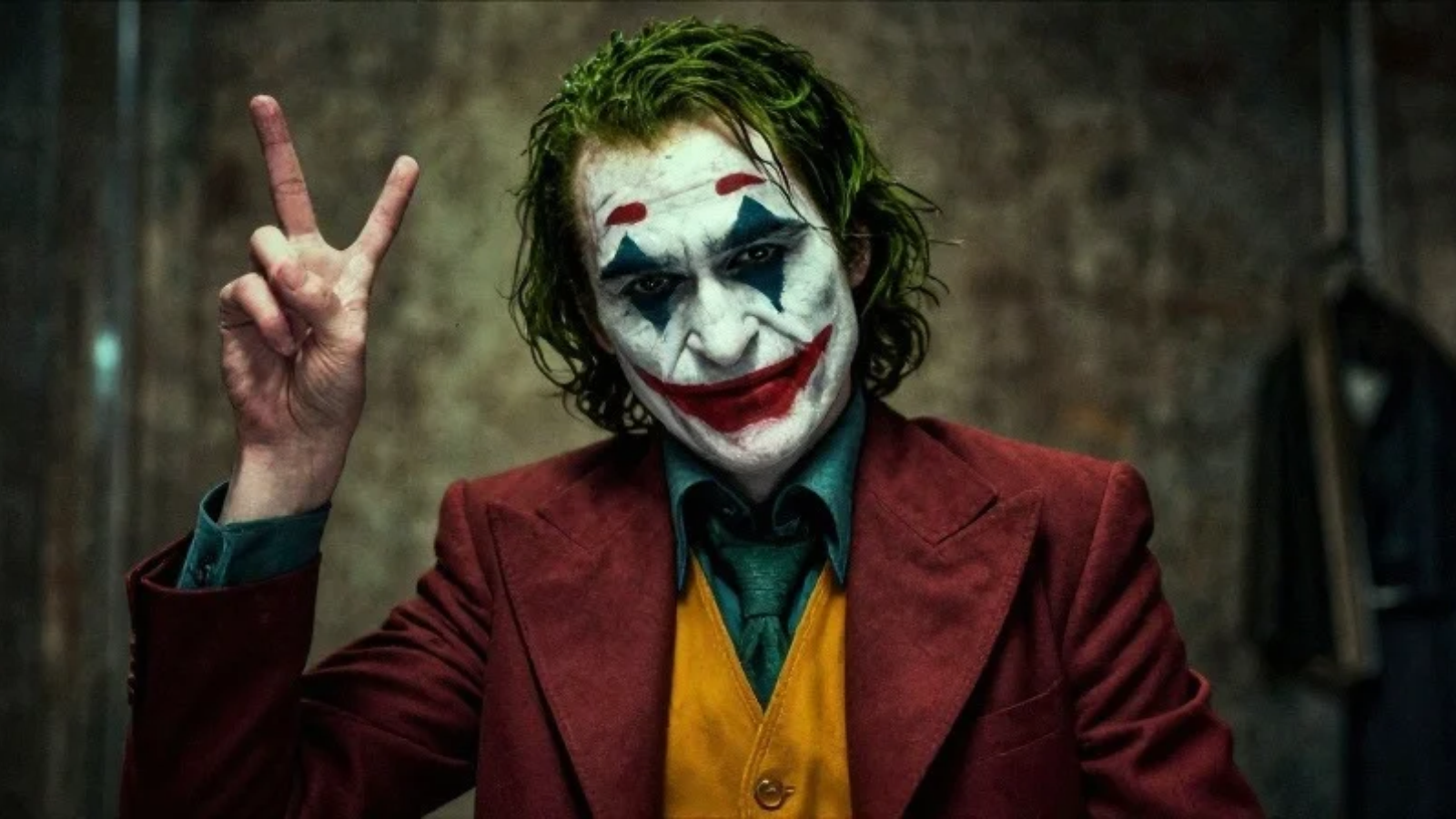
When people remember Suicide Squad, one character often refuses to stay in the background:
the Joker. Even though he is not the main member of Task Force X, his presence hangs over the movie like a dark cloud.
His wild smile, green hair, purple suits, expensive cars, and dangerous relationship with Harley Quinn helped make him one of the most talked-about parts of the film.
But who exactly is the Joker on Suicide Squad? Why was he so different from other versions of the character?
What role did he play in Harley Quinn’s story, and why did audiences have such mixed reactions to him?
The Joker in Suicide Squad was played by Jared Leto in the 2016 DC film directed by David Ayer.
This version introduced a modern gangster inspired Joker rather than simply copying earlier interpretations.
His tattoos, jewelry, flashy clothing, weapons, and criminal lifestyle created a version that looked closer to a violent crime boss than the traditional comic-book clown.
His screen time was limited, but his influence on the story was much larger than his number of scenes suggested.
His relationship with Harley Quinn, his obsession with retrieving her, and his confrontation with Batman helped expand the world surrounding the main Suicide Squad.
This guide explores the character from different angles, including his appearance, personality, relationship with Harley, connection to Batman, role in the plot, symbolism, reception, and lasting impact.
1. The Joker on Suicide Squad and His Unexpected Role in the Story
- 🃏 A supporting character with major influence: The Joker is not officially one of the main Suicide Squad members, yet his actions affect several important events throughout the movie.
- 🎬 Jared Leto’s interpretation: Jared Leto brought a highly stylized version of the character to the screen, emphasizing unpredictability, violence, confidence, and theatrical behavior.
- 🏙️ A Gotham crime boss: This Joker feels deeply connected to organized crime. His expensive vehicles, criminal network, weapons, and nightclub-like surroundings make him appear more like an underworld kingpin.
- 💚 The famous green hair: His bright green hair immediately connects him to the classic Joker image while giving the character a modern, polished appearance.
- 😈 A dangerous personality: He is charming one moment and terrifying the next. That emotional unpredictability is one of the character’s defining traits.
- 💜 The purple aesthetic: Purple clothing has long been associated with the Joker, and the film uses that color to connect this modern interpretation to the comic-book tradition.
- 🚗 A theatrical lifestyle: His customized cars and dramatic entrances make ordinary criminal activity feel like a performance.
- 🔫 Violence as entertainment: The character often behaves as though danger is part of his personal entertainment, reinforcing his chaotic identity.
- 🧩 A connection to Harley: Much of his story is tied to Harley Quinn, particularly his desire to recover her after she becomes part of Amanda Waller’s team.
- 🦇 A Batman connection: Batman’s history with the Joker remains important even when Batman is not the center of the story.
- 🏃 A rescue mission: One of the Joker’s clearest objectives is getting Harley back, creating a secondary storyline inside the larger conflict.
- 🎭 A different kind of Joker: Rather than presenting him as a mysterious clown hiding in the shadows, the movie presents him as a highly visible celebrity-like criminal.
- 📺 A memorable visual identity: Even viewers who disliked certain elements of the interpretation often remember the distinctive costume, tattoos, hair, and grin.
- 🔥 Why his presence matters: The Joker demonstrates how a supporting villain can influence the emotional direction of a superhero movie without controlling the entire plot.
2. The Joker on Suicide Squad and Jared Leto’s Performance
- 🎭 A committed performance: Jared Leto approached the Joker as an intense character study rather than simply reproducing another actor’s version.
- 🃏 A new interpretation: His performance tried to separate this Joker from earlier portrayals by making him more contemporary and gangster-like.
- 😏 Confidence: The character rarely behaves as though he fears consequences. His confidence becomes part of his intimidation.
- 👀 Uncomfortable eye contact: Several scenes use facial expressions and direct looks to create tension without requiring long dialogue.
- 🗣️ Distinctive speech: Leto’s delivery gives the character a controlled but threatening quality, particularly when he speaks about Harley.
- 💥 Physical intensity: His body language frequently suggests that violence could happen without warning.
- 💎 Criminal glamour: Jewelry, tailored clothes, luxury vehicles, and expensive surroundings reinforce his status within Gotham’s criminal world.
- 🧠 Psychological instability: The performance presents someone whose emotional responses can shift quickly, making him difficult for other characters to predict.
- ❤️ Possessive attachment: His relationship with Harley is presented through a mixture of attraction, obsession, control, and danger.
- 🦇 Comic-book heritage: Despite the modernization, Leto’s performance still contains recognizable Joker traits such as theatricality and dark humor.
- 🎥 Limited screen time: Because the character does not dominate the movie, viewers receive fragments of his personality rather than a complete psychological portrait.
- 🔥 A controversial approach: Some viewers appreciated the fresh direction, while others preferred interpretations that felt closer to the classic Joker.
- 🎨 Performance and design work together: Leto’s acting cannot be separated completely from the costume, makeup, tattoos, props, and cinematography surrounding him.
- ⭐ A memorable version: Regardless of individual opinions, Leto’s Joker became a recognizable chapter in the character’s live-action history.
3. The Joker on Suicide Squad and His Most Recognizable Look
- 💚 Green hair: The green hair is one of the strongest visual links between this version and traditional Joker artwork.
- 🦷 Metallic-looking teeth: His teeth contribute to a damaged, intimidating appearance and suggest a violent history.
- 💜 Purple clothing: The color palette maintains one of the most recognizable Joker traditions.
- 🧥 Luxury fashion: His clothing often looks expensive rather than ragged, reflecting his position as a wealthy criminal.
- 🧤 Statement accessories: Rings, necklaces, and other accessories make the character look more like a criminal celebrity.
- 🃏 Tattoo symbolism: The tattoos became one of the most debated elements of his design, especially because they communicate personality directly through his body.
- HAHAHA The tattooed grin: The facial tattoo visually reinforces the Joker’s obsession with laughter and his identity as a clown-themed criminal.
- 🔫 Weapons as accessories: Guns and other weapons are integrated into his image, making danger feel like part of his personal style.
- 🚘 Customized cars: His vehicles are designed to be noticed, just like his clothing and tattoos.
- 👑 A kingpin appearance: The overall styling communicates power, money, confidence, and criminal authority.
- 🎨 Modern comic-book styling: The design updates familiar Joker colors and symbols for a contemporary film audience.
- 📸 Highly recognizable silhouette: Even without dialogue, the hair, purple clothing, pale face, and tattoos make the character identifiable.
- 🧩 Visual storytelling: His appearance tells viewers that this is not an ordinary criminal. His identity is built into almost every design choice.
- 🔥 A divisive aesthetic: The look generated strong reactions because it deliberately moved away from the simpler clown-inspired appearance associated with previous versions.
4. The Joker on Suicide Squad and the Complicated Harley Quinn Relationship
- 💔 Harley is central to his story: The Joker’s connection with Harley gives his appearance in Suicide Squad much of its emotional context.
- 🧠 Their relationship begins in Arkham: The film’s backstory connects Harley’s transformation to her time working as Dr. Harleen Quinzel.
- 🃏 Joker influences Harley’s transformation: Her transition from psychiatrist to Harley Quinn is closely connected to her relationship with him.
- ❤️ Attraction is part of the story: The movie presents strong romantic and obsessive feelings between the pair.
- ⚠️ The relationship is dangerous: Their dynamic is not presented as a healthy romance. Control, violence, fear, and manipulation are important parts of it.
- 🎢 Emotional extremes: Their interactions move between affection and threat, creating an unstable emotional environment.
- 🧨 Harley becomes independent: One important development is that Harley eventually exists beyond the Joker’s direct control.
- 🏃 Joker searches for Harley: His attempt to retrieve her shows how strongly he wants to maintain their connection.
- 🔥 The relationship drives action: Several Joker-related sequences connect directly to Harley’s situation.
- 🧩 Two identities collide: Harley’s former identity as Dr. Quinzel and her new identity as Harley Quinn represent a major psychological transformation.
- 💜 Love versus control: The movie raises the question of whether the Joker’s attachment represents love, obsession, possession, or a mixture of these.
- 🎭 Romance with a dark edge: The film uses romantic imagery while simultaneously surrounding the relationship with violence and danger.
- 🪞 Harley’s development matters: Harley’s eventual ability to function as an individual becomes important to her later stories.
- 🌹 A memorable but troubling pairing: The Joker and Harley remain one of DC’s most recognizable pairings, but their relationship is best understood as fictional drama rather than a model for healthy romance.
5. The Joker on Suicide Squad and His Connection to Batman
- 🦇 Batman is part of his history: The Joker’s identity in Gotham cannot easily be separated from Batman.
- 🚓 A criminal rivalry: Their conflict represents a classic hero-versus-villain relationship within DC Comics.
- 🚗 The Batmobile sequence: The film includes a memorable confrontation involving Batman, the Joker, and Harley Quinn.
- 🌃 Gotham’s criminal world: The Joker’s activities help show that the events of Suicide Squad exist within a larger Batman-centered universe.
- 🃏 Joker as Batman’s opposite: Batman represents control and rules, while the Joker traditionally represents disorder and unpredictability.
- ⚔️ Different methods: Batman operates under a personal moral code, while the Joker repeatedly rejects conventional limits.
- 😈 Psychological conflict: Their rivalry is not simply physical; it is also built around competing ideas of justice, fear, and chaos.
- 🎬 A shared cinematic universe: The film uses Batman references to connect the Suicide Squad storyline with other DC characters.
- 🏙️ Gotham matters: The Joker’s surroundings help establish him as someone deeply rooted in Gotham’s criminal culture.
- 🔥 The Joker’s reputation: Even when Batman is not directly confronting him, the Joker’s history gives his character additional weight.
- 🧠 Fear as a weapon: Both characters understand that reputation can influence behavior before a physical confrontation even begins.
- 🃏 A villain outside the main mission: His Batman connection helps explain why he can feel important despite not being a formal member of Task Force X.
- 🎭 Classic mythology: The movie benefits from decades of comic-book history between Batman and the Joker.
- 🦇 A larger DC connection: His presence makes Suicide Squad feel connected to the broader Gotham mythology rather than functioning as an isolated story.
6. The Joker on Suicide Squad and the Meaning Behind His Tattoos
- 🖋️ Tattoos define his image: Body art becomes a major part of this Joker’s visual identity.
- 😂 Laughter symbolism: Several markings emphasize the Joker’s obsession with laughter and his clown persona.
- 🃏 A personal billboard: His body appears almost like a collection of messages about his personality.
- 💀 Death imagery: Some designs reinforce the character’s relationship with violence and mortality.
- 🧠 Psychological presentation: Instead of hiding his identity, this Joker displays it openly.
- 🎭 Performance becomes permanent: The tattoos suggest that the Joker does not simply play a role; he has turned the role into his entire identity.
- 🔥 Aggressive symbolism: The imagery contributes to the threatening atmosphere surrounding him.
- 🪞 Identity through appearance: His body becomes another way of communicating who he believes himself to be.
- 📸 Memorable visual branding: The tattoos helped make this particular Joker immediately distinguishable from earlier versions.
- 💬 Silent storytelling: Viewers can learn something about the character before he says a word.
- 🧩 Mixed audience reactions: The tattoo design became one of the most discussed aspects of his interpretation.
- 🎨 A modern criminal aesthetic: Tattoos help shift the character toward a contemporary gangster-inspired visual language.
- 🃏 Clown symbolism remains: Despite the modernization, laughter and theatrical imagery remain central.
- 🔍 More than decoration: The tattoos function as character design, symbolism, and visual storytelling at the same time.
7. The Joker on Suicide Squad and His Role in Harley’s Origin
- 👩⚕️ Harleen Quinzel begins as a psychiatrist: Before becoming Harley Quinn, she works at Arkham Asylum.
- 🏥 Arkham creates the setting: The institution provides the environment where her professional relationship with the Joker changes.
- 🃏 Joker becomes her patient: Their early interactions form the foundation for her later transformation.
- 🧠 Professional boundaries collapse: The story shows how Harley’s relationship with the Joker moves beyond the role of doctor and patient.
- 💔 Emotional manipulation: The film presents the relationship as one in which emotional influence plays a major role.
- 🧨 The transformation is dramatic: Harley’s shift from doctor to criminal is shown as a major identity change.
- 🎭 A new persona emerges: Harley Quinn becomes a distinct character rather than simply remaining Harleen Quinzel.
- 💜 The Joker becomes part of her mythology: His influence is embedded in her origin story even as she later develops separately.
- 🔥 A dangerous bond: Their connection is presented as emotionally powerful but highly destructive.
- 🪞 Identity becomes complicated: Harley’s story asks how much of a person can change under another person’s influence.
- 🎬 Visual transformation: Her clothing, makeup, hairstyle, and behavior help communicate the shift.
- 🃏 Joker’s influence is lasting: Even after Harley begins working with the Suicide Squad, her history with him remains important.
- 🏃 Separation creates new possibilities: Once Harley begins moving beyond him, the character gains more independence.
- 🌹 Her story eventually expands: Later DC stories give Harley Quinn an identity that is not completely dependent on the Joker.
8. The Joker on Suicide Squad and the Scenes Fans Remember
- 🚗 The vehicle chase: The Joker’s pursuit of Harley creates one of his most recognizable action sequences.
- 🦇 Batman’s involvement: The chase becomes more memorable because Batman enters the conflict.
- 🌃 Gotham atmosphere: Urban nighttime settings help reinforce the Joker’s connection to the city.
- 🎭 The nightclub-like scenes: His environment often looks glamorous, dangerous, and theatrical.
- 🔫 The weapons: Guns and criminal props reinforce his gangster-inspired identity.
- 💜 His fashion: The purple-and-green visual combination is difficult to miss.
- 😈 His expressions: Facial acting often communicates menace even when dialogue is limited.
- 🃏 Harley-centered moments: Many memorable Joker scenes are significant because of what they reveal about his relationship with Harley.
- 🔥 The rescue attempt: His determination to recover Harley gives his subplot a clear objective.
- 🧨 Sudden danger: The possibility of violence makes his scenes feel unstable.
- 🎬 Short appearances, strong imagery: The film gives him fewer scenes than a main antagonist but fills those appearances with distinctive visuals.
- 📸 Social-media-friendly design: His tattoos and fashion became especially recognizable in promotional material.
- 🧩 Story fragments: His subplot is told through individual moments rather than a complete villain journey.
- ⭐ Memorable does not mean universally loved: A character can create strong cultural recognition while still producing divided audience reactions.
9. The Joker on Suicide Squad Compared With Other Live-Action Jokers
- 🎭 Different actors create different Jokers: Live-action versions often reflect the filmmaking style and era in which they appear.
- 🃏 Jared Leto’s Joker: This interpretation leans toward a modern gangster with clown symbolism.
- 🕴️ Heath Ledger’s Joker: Ledger’s version in The Dark Knight is presented as a chaotic criminal mastermind with a more stripped-down appearance.
- 🧓 Jack Nicholson’s Joker: Nicholson’s version combines classic comic-book flamboyance with organized-crime influences.
- 🧥 Different costumes: Each film uses clothing to communicate its own interpretation of the character.
- 🧠 Different psychological emphasis: Some versions focus more heavily on chaos, while others emphasize criminal power, theatricality, or mystery.
- 🃏 The core remains recognizable: Despite major differences, the Joker’s grin, humor, violence, and unpredictability remain familiar traits.
- 🎨 Design reflects its era: Makeup, fashion, cinematography, and production design influence how each Joker appears.
- 🔥 No single version has to replace another: Different interpretations can exist independently within Batman’s long fictional history.
- 🎬 Performance changes the character: An actor’s voice, movement, timing, and facial expressions can dramatically alter the impression.
- 💜 Leto’s version is more extravagant: Jewelry, tattoos, luxury clothing, and vehicles make his design particularly flashy.
- 🦇 Batman relationships vary: Different films emphasize different aspects of the Joker-Batman conflict.
- 📚 Comics allow even more variation: The source material has repeatedly reinvented the Joker over decades.
- 🧩 Comparison is useful for understanding style: Looking at different portrayals shows that the Joker is a flexible character rather than a single fixed personality.
10. The Joker on Suicide Squad and the Film’s Criminal Underworld
- 💰 Money matters: This Joker appears to have access to considerable wealth and criminal resources.
- 🚘 Luxury vehicles: His cars communicate both status and personality.
- 🔫 Armed associates: He operates within a broader criminal network rather than acting completely alone.
- 🏙️ Gotham’s underworld: His story helps establish a world where organized crime and superhuman threats can exist together.
- 👑 Leadership: Other criminals appear to recognize his authority and reputation.
- 🃏 A criminal brand: His appearance is almost as recognizable as a corporate logo.
- 💎 Luxury and violence: The contrast between glamorous surroundings and brutal behavior is central to his presentation.
- 🎭 Crime as spectacle: His activities often feel designed to attract attention.
- 🧨 Fear creates power: The Joker’s reputation can influence people even before he acts.
- 🕶️ Criminal confidence: He rarely presents himself as someone trying to survive; he acts like someone who expects control.
- 🔥 Unpredictability helps him: People around him cannot always anticipate what he will do next.
- 🧩 The underworld supports his character: His environment explains why he can command resources despite being only a supporting figure.
- 🏙️ Gotham remains important: The city provides the criminal ecosystem surrounding his identity.
- 🃏 He represents a different kind of villain: Rather than a government-created threat, he represents a deeply established criminal force.
11. The Joker on Suicide Squad and Why His Presence Feels So Intense
- 😈 Uncertainty creates tension: Viewers cannot always predict whether the Joker will joke, threaten, or attack.
- 👀 His appearance signals danger: His distinctive look immediately changes the mood of a scene.
- 🃏 Humor becomes unsettling: The character often places playful imagery next to violent behavior.
- 🔥 Emotional unpredictability: Sudden changes in mood make his interactions difficult to read.
- 🧠 Control through fear: His reputation gives him psychological power over other people.
- 🎭 Theatrical behavior: He behaves as though every encounter is part of a performance.
- 💜 Color psychology: Bright purple and green make him visually stand out against darker environments.
- 🧨 Violence can arrive suddenly: The threat of escalation keeps viewers alert.
- 🚘 Movement creates energy: His vehicles and chase sequences give his subplot physical momentum.
- 🦇 Batman raises the stakes: His history with Batman makes even brief appearances feel connected to something larger.
- ❤️ Harley adds emotional tension: The relationship gives his behavior a personal objective.
- 🎬 Editing contributes to intensity: Quick transitions and dramatic framing make certain Joker moments feel larger than their screen time.
- 🃏 Mystery remains: The film does not explain every part of this Joker’s past.
- 🔥 Intensity becomes part of his identity: The character is designed to feel like someone who could disrupt any situation simply by entering it.
12. The Joker on Suicide Squad and What the Character Represents
- 🃏 Chaos: The Joker traditionally represents disruption of social order and predictable rules.
- 🧠 Identity: His extreme appearance suggests a person who has completely embraced a constructed persona.
- 🎭 Performance: He treats criminal life like theater, turning violence and fear into spectacle.
- 💰 Power: This version uses wealth and criminal connections to increase his influence.
- 🦇 Opposition: His relationship with Batman represents a long-running conflict between radically different approaches to order.
- ❤️ Obsession: His relationship with Harley shows how attachment can become controlling and destructive.
- 🔥 Rebellion: The Joker refuses to behave according to conventional expectations.
- 💜 Self-expression: His clothing, tattoos, hair, and accessories communicate his identity without requiring explanation.
- 🪞 Transformation: The Joker’s appearance suggests that he has turned himself into the symbol he represents.
- 😈 Fear: His reputation allows him to intimidate people before violence even occurs.
- 🧩 Moral disorder: He does not operate according to the ordinary moral rules expected by society.
- 🎬 Spectacle: His scenes often blur the line between criminal activity and entertainment.
- 🃏 Myth: Decades of comic-book history give the Joker symbolic weight beyond the events of one movie.
- 🌃 Gotham mythology: His presence helps connect individual criminal acts to a much larger fictional universe.
13. The Joker on Suicide Squad and Why Audience Reactions Were So Divided
- 🎭 Expectations mattered: Audiences already knew famous Joker portrayals, so a new version faced strong comparisons.
- 🃏 The design was radically different: Tattoos, jewelry, metal teeth, and gangster fashion made the character visually unusual.
- 💜 Some viewers liked the modernization: The updated look gave the Joker a contemporary criminal identity.
- 🧠 Others preferred classic interpretations: Fans who favored simpler comic-inspired designs sometimes reacted negatively to the changes.
- 🎬 Limited screen time affected perception: Because the Joker receives relatively little development, some viewers wanted more explanation.
- ❤️ The Harley relationship was controversial: The destructive relationship created different interpretations among audiences.
- 🔥 Marketing increased attention: Promotional material placed considerable emphasis on the character.
- 📸 The visual design became widely discussed: Images of Leto’s Joker circulated extensively online.
- 🗣️ Performance debates continued: Viewers disagreed about whether Leto’s acting successfully captured the character.
- 🧩 Different expectations created different reactions: A person expecting a traditional clown-like Joker could respond differently from someone expecting a modern crime boss.
- 🃏 The Joker is already heavily interpreted: Decades of comics, animation, television, and film create strong fan preferences.
- 🎨 Design and story were judged together: Reactions were not based only on acting; costume and writing also influenced audience impressions.
- 🎬 Later DC projects changed context: Subsequent appearances and stories gave viewers additional material with which to consider Leto’s version.
- 🔍 The debate itself became part of the character’s legacy: Few modern Joker interpretations generated no discussion, and this one certainly became a frequent subject of fan conversation.
14. The Joker on Suicide Squad and His Lasting Place in DC Cinema
- 🃏 A recognizable modern Joker: Jared Leto’s portrayal remains one of the major live-action interpretations of the character.
- 🎬 Part of DC’s cinematic history: Suicide Squad occupies an important place in the development of DC’s interconnected movie universe.
- 💚 The visual identity remains memorable: Green hair, tattoos, purple clothing, and jewelry distinguish this version.
- ❤️ Harley Quinn’s story is closely connected: His relationship with Harley became an important part of the film’s character mythology.
- 🦇 Batman links the stories: His connection to Gotham’s Dark Knight gives the character broader context.
- 🚗 Action sequences helped his recognition: The Joker’s vehicles and pursuit of Harley created memorable imagery.
- 🎭 A distinct interpretation: Leto’s Joker does not simply reproduce the performances that came before him.
- 📚 Comic-book characters evolve: The history of the Joker shows that major characters can receive radically different interpretations.
- 🧠 Audience debate can preserve cultural visibility: Discussion, criticism, appreciation, and comparison all kept this version in public conversation.
- 🔥 The character remains emotionally charged: His combination of romance, violence, humor, and danger creates a strong fictional presence.
- 🎨 Design became part of the conversation: The costume and tattoos became almost as recognizable as the performance itself.
- 🃏 He remains a supporting Joker: It is important to remember that this version appears within the specific story and creative direction of Suicide Squad rather than representing every possible Joker.
- 🎥 Later appearances expanded the interpretation: Leto’s Joker continued to appear in other DC-related material, giving the portrayal additional context.
- 🌹 His legacy is complicated but significant: The Joker on Suicide Squad remains a fascinating example of how filmmakers can reinvent a famous comic-book villain for a new cinematic era.
Frequently Asked Questions About the Joker on Suicide Squad
Who played the Joker on Suicide Squad?
Jared Leto played the Joker in the 2016 film Suicide Squad. His interpretation was designed with a modern gangster aesthetic, including green hair, tattoos, jewelry, purple clothing, and distinctive weapons and vehicles. Unlike some earlier cinematic versions, this Joker is presented as a wealthy and highly visible criminal figure. His storyline is strongly connected to Harley Quinn and her transformation from Dr. Harleen Quinzel into Harley Quinn. Although the Joker has limited screen time compared with the main Suicide Squad members, his relationship with Harley and his connection to Batman make him an important supporting character in the film.
What is the role of the Joker in Suicide Squad?
The Joker’s role in Suicide Squad is mainly connected to Harley Quinn rather than the central Task Force X mission. After Harley becomes involved with Amanda Waller’s team, the Joker attempts to find and recover her. His storyline operates alongside the main plot, creating a personal conflict within the larger superhero action story. He is also connected to Batman, which helps place Suicide Squad inside the broader Gotham and DC universe. His presence gives viewers additional information about Harley’s past and shows the criminal world surrounding the main characters.
Why does the Joker want Harley Quinn back in Suicide Squad?
The Joker’s desire to recover Harley Quinn is presented as a mixture of attachment, obsession, control, and emotional dependence. The movie does not portray their relationship as a healthy romantic partnership. Instead, their history includes manipulation and violence alongside moments of affection. Harley’s transformation is closely connected to the Joker, so he sees her as an important part of his personal world. His attempts to retrieve her also create one of the film’s secondary storylines. Their relationship is important because it helps explain Harley’s history while also showing how she begins moving toward an identity separate from the Joker.
Is the Joker a member of the Suicide Squad?
No. The Joker is not one of the official members of Task Force X, commonly called the Suicide Squad. The team assembled by Amanda Waller includes characters such as Deadshot, Harley Quinn, Captain Boomerang, Killer Croc, and others. The Joker operates independently as a criminal figure. His storyline intersects with the Suicide Squad mainly because of Harley Quinn and his attempt to get her back. This distinction is important because the title Suicide Squad can sometimes lead new viewers to assume that every major villain appearing in the film is a member of the team.
What makes the Joker on Suicide Squad different from other Jokers?
The Joker in Suicide Squad is distinguished by a modern gangster-inspired design. He has green hair, extensive tattoos, jewelry, metal-looking teeth, expensive clothing, luxury vehicles, and a large criminal network. Jared Leto’s performance also emphasizes confidence, theatricality, violence, and unpredictable emotional behavior. Earlier live-action versions have placed different emphasis on chaos, crime, mystery, or comic-book style. Leto’s interpretation therefore stands as one specific version rather than a definitive representation of the character. The Joker has been reinvented many times across comics, animation, television, and film.
What do the Joker’s tattoos mean in Suicide Squad?
The Joker’s tattoos function mainly as visual character design and symbolism. They communicate his fascination with laughter, death, violence, and his clown identity. The tattoos also make this interpretation visually different from earlier cinematic Jokers. Rather than hiding his identity, this version appears to display his personality openly through his body. The most famous tattoo imagery reinforces his association with laughter and the Joker persona. Some viewers found the tattoos memorable and modern, while others considered them an unnecessary departure from traditional Joker imagery. Their meaning is therefore connected to both the character’s fictional identity and the filmmakers’ visual approach.
How is the Joker connected to Batman in Suicide Squad?
The Joker and Batman have one of the most famous rivalries in DC Comics, and Suicide Squad places this version of the Joker within that larger history. Batman appears during a sequence involving the Joker and Harley Quinn, creating a direct connection between Gotham’s vigilante and its most famous criminal. Their relationship is based on opposing ideas of order and chaos, justice and criminality. Even though Batman is not the main focus of Suicide Squad, his presence gives the Joker additional context. The film therefore treats the Joker as part of the wider Gotham mythology rather than as an isolated villain.
Is the Joker’s relationship with Harley Quinn healthy?
No. The relationship between the Joker and Harley Quinn in Suicide Squad is fictional and is portrayed as dangerous and unhealthy. Their connection includes affection and attraction, but it also involves manipulation, violence, control, and emotional instability. Harley’s transformation from Harleen Quinzel into Harley Quinn is closely connected to the Joker’s influence. Later DC stories increasingly explore Harley as a character capable of developing her own identity outside that relationship. For viewers, the pairing can be understood as dramatic fictional storytelling rather than an example of a healthy romantic relationship.
How much screen time does the Joker have in Suicide Squad?
The Joker has substantially less screen time than the primary Suicide Squad characters because he is a supporting character rather than the main member of Task Force X. His scenes are concentrated around Harley Quinn, his criminal activities, and his attempt to recover her. Despite the limited amount of screen time, the movie gives him a strong visual identity and several memorable sequences. This approach means viewers receive selected glimpses of his personality instead of a complete Joker-centered storyline. His limited presence is one reason discussions about the character often focus on what the film shows as well as what it leaves unexplained.
Is Jared Leto’s Joker in other DC movies?
Jared Leto’s Joker was created for the DC cinematic universe associated with Suicide Squad. He later appeared in Zack Snyder’s Justice League in 2021, where viewers received another brief look at the character. That appearance provided additional context for the Joker’s relationship with Batman and showed a somewhat different presentation of the character. The Snyder-era appearance does not erase the version introduced in Suicide Squad; instead, it adds another piece to Leto’s portrayal. His Joker therefore exists as a distinct interpretation within a particular period of DC’s live-action film history.
Conclusion: Why the Joker on Suicide Squad Still Gets People Talking
The story of the Joker on Suicide Squad is bigger than a few dramatic scenes.
Jared Leto’s interpretation introduced a Joker shaped by modern crime culture, luxury, tattoos, theatrical violence, and an intense connection with Harley Quinn.
His appearance was different, his style was deliberately bold, and his relationship with Batman connected him to one of the oldest rivalries in DC history.
What makes the character interesting is not simply whether someone likes or dislikes the design.
It is the fact that the film attempted to show what the Joker might look like in a modern criminal world.
He is a villain who treats identity as performance, wealth as power, fear as influence, and chaos as entertainment.
At the same time, his story reminds us that Harley Quinn is more than an extension of the Joker. Her transformation, independence, and later development became an important part of DC storytelling.
The Joker on Suicide Squad may be controversial, but he is certainly memorable.
His green hair, purple suits, tattoos, sinister smile, relationship with Harley, and connection to Batman created a version that remains part of the long and constantly changing history of one of fiction’s most recognizable villains.
